For those who have lost a loved one, no matter when, the upcoming Jewish holidays can be challenging. Skills for coping with grief during this time were featured at an online meeting on August 24. The Central Queens Jewish Community Circle co-sponsored the event with The Jewish Board of Family and Children Services.
“There’s no right or wrong in grieving or how you are feeling… You can have joy and remembrance and gratitude, and longing and hope, and they can all exist,” said Lillie Licht, the featured speaker. Licht is a certified grief coach and educator and a certified transformative life coach.
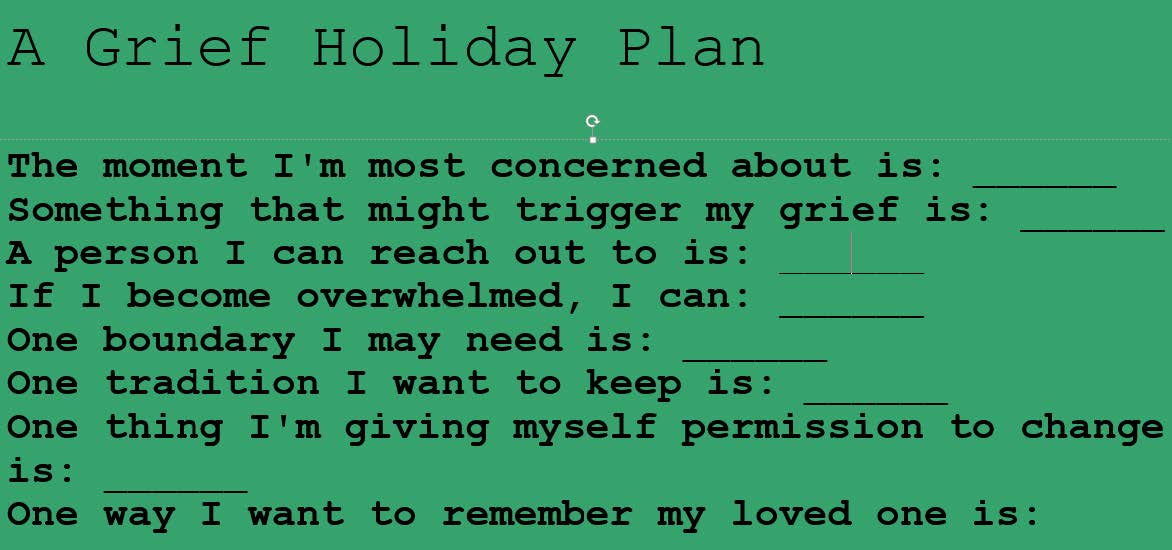
“It’s not about getting through the holidays without your grief, because the grief is with you. It’s to make room for it.” Some may want to hold onto traditions, change them, or not participate at all. “Give yourself permission to cry during a meal, or specific prayer, or any part of the service.”
Permit yourself to do the holidays differently. One may stay for part of the prayer services, leave early, ask someone to accompany them, say no to an invitation, continue a tradition, or not. Ask yourself what you need this holiday, rather than what you think you are supposed to do.
It is also okay to experience moments of happiness without feeling that you are betraying the person who died. We can have both moments of grief and moments of engaging with the present.
Anticipatory grief can involve anxiety when thinking about a meal with others, Yizkor, or the prayer services. Prepare for difficult moments like lighting candles, walking to shul alone, hearing particular prayers like Yizkor, seeing intact families, and seeing the empty chair at home or in the synagogue.
“Ask what could make that moment ten percent easier. What can we do to make it a tiny bit more manageable?” It could mean sitting near an exit door or telling a friend, neighbor, or someone in shul ahead of time about how you are feeling.
It could mean having someone walk home with you from wherever you are for the holidays, taking a break during services, going home to lie down, and thinking about how to respond if someone asks how you are that day.
Connecting with a deceased loved one can mean preparing or purchasing their favorite holiday food, using their Kiddush cup, giving charity or learning in their memory, visiting the cemetery, sharing a story about the person or inviting others to do so, or simply saying their name at the table.
People may ask themselves: How would I like my loved one’s presence to be carried into this holiday? “There’s no right or wrong way. Nothing is too big or small. It’s whatever is meaningful to you. What do I want to carry forward from the person that I lost? What part of them continues to live through me?” said Licht.
Yom Kippur can bring up complicated feelings after a death: regret, guilt, and unfinished conversations. Thoughts like: I wish I had, I should have, why didn’t I, or I wish our last conversation had been different. Maybe you didn’t get to have that final conversation, that final “I love you,” or that final phone call.
Relationships are rarely completed neatly before someone dies. Another exercise is: What do I wish I could say to the person? What do I imagine that they might want to say to me? What might I be ready to forgive myself for? A person can write a letter to the person they lost and/or write a letter from the loved one’s perspective to oneself.
Yizkor services happen during the time of year when we are particularly vulnerable to the loss, regret, despair, and yearning accompanying grief. “This is likely to be true even if the death happened long ago,” according to Anne Brener, author of Mourning and Mitzvah.
Yizkor “is for the elevation of their souls. It’s to reaffirm the enduring bond between the living and the deceased,” said Licht. Yizkor has sections of prayers for all of the relatives you have lost: uncles, aunts, cousins, etc.
“Yizkor becomes both an act of remembrance and of legacy, and it acknowledges that grief and love can coexist. So, we remember those that we miss while allowing their lives to continue influencing us.”
During Yizkor, think about who you want near you. Do you want to bring a particular memory into that prayer? Not everybody says Yizkor. What will you do right after Yizkor? Will you stay in shul, take a break, or take a walk to get some air “because it can be overwhelming”?
Jewish tradition teaches that the people who died can no longer do the mitzvos themselves. So doing good deeds helps elevate their souls and keep them alive in this world.
“Although a person has died, the relationship has not disappeared, and we continue, because we were influenced by our loved ones. We continue their values, their stories. They continue, and their love continues through everything we do here.”
Sukkos: Joy and grief can occupy the same space. They can miss someone deeply, and they can laugh at the table during the holiday. “Feeling joy does not mean they have forgotten their loved one. Grief does not require us to prove our love by refusing moments of happiness.” They can experience a meaningful holiday and still wish that person was here.
Grief stays with you for the rest of your life in some capacity; it doesn’t stay as strong all the time. “It comes up because you don’t forget that love.” It’s okay if grief is different each time, whether you do or don’t feel it. “You’re not doing anything wrong.”
“You can prepare, only to an extent… Sometimes grief will just sneak up on you when you least expect it, and you just do the best that you can in that moment, because moments like that will happen.”
Molly Lieberz, program director for the Grief Program at The Jewish Board of Family and Children Services, suggested thinking about whether we want to talk about and remember lost loved ones with the younger generation. Stories, memories, and sharing pictures and videos can help the next generation remember the deceased. “Food tends to be a way that people connect,” so share the deceased’s favorite recipes and dishes.
Rebbetzin Mushky Mendelson, founder of the Central Queens Jewish Community Circle (CQJCC), said, “There is going to be a lot of holiday time, so sometimes we will want or need to be amongst other people, and sometimes that may be really painful.” Sensitivity to that need for balance for oneself and others is needed.
Encourage neighbors not to spend the holiday time isolated, “even if it’s maybe a little painful.” “As a neighbor, we really only just inform and be there for people as a friend.”
Lillie Licht offers a complimentary 1:1 coaching session for women at no cost with no further obligation. Women can then decide if they want to continue. Lillie Licht can be contacted at This email address is being protected from spambots. You need JavaScript enabled to view it..
The Jewish Board offers Grief Support Rooted in Jewish Values. They can be contacted at 212-632-4790 and at bereavementsupport@jbfcs. More grief information and educational material is available on their website: jewishboard.org/how-we-can-help/jewish-community-services/enduring-light/.
Rebbetzin Mendelson, founder of the Central Queens Jewish Community Circle (CQJCC), can be reached at 917-754-3006. Their website is www.cqjcc.org.
By David Schneier