
Seeing lonely and isolated Jews, “with family or not,” spurred Rebbetzin Mushky Mendelson of Congregation Machane Chodosh in Forest Hills to create the Central Queens Jewish Community Circle (CQJCC) in 2019.
“Covid exacerbated what was already happening,” said the rebbetzin. Older adults in 2020 often could not or did not want to use online support, and daunting bureaucracies alongside difficulties connecting to a live person on the phone “just make it even worse.” Citing gaps in the system, she added, “In-person is much better for counseling and support.”
CQJCC operates at a grassroots level. Most referrals come through friends, family, or neighbors. “Being isolated is a challenge that doesn’t fit into any checkbox,” Mendelson noted.
Rebbetzin Mendelson spends time talking with people, providing clothing, and connecting them to doctors, home-delivered meals, and community resources. Recent inquiries include requests for escorts to medical appointments, housekeepers, and assistance transferring phone book contacts into a Google Doc.
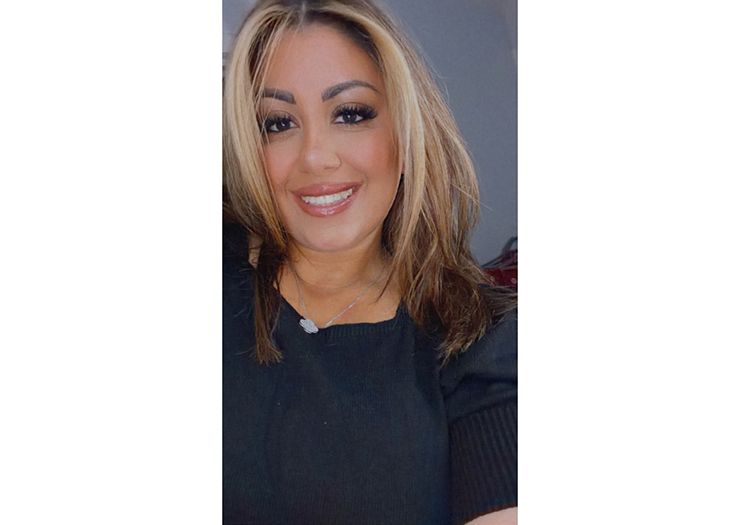
Michelle Aminov, a second-year Master of Social Work student at Yeshiva University, is currently completing her internship at CQJCC. Aminov visits and calls clients “to support individuals and communities in meaningful ways,” noting that she “values compassion, advocacy, and lifelong learning.”
A typical client is an elderly widowed woman coping on her own. “That’s a fairly difficult situation,” Mendelson explained. “Someone who has friends but still feels pretty isolated may have family who moved away whom they only see once or twice a year, leaving them without much of a daily social life.”
Even those who appear secure on paper benefit from the program. Rebbetzin Mendelson recalled a successful, well-respected, practicing doctor living with a partner: “When we came to visit him, he told us that the first time he received a package, he was in tears because he felt that somebody remembered him. Even though he knows about us, he usually chooses not to engage much with the Jewish community and isolates culturally. The fact that we included him was deeply, deeply meaningful to him.”
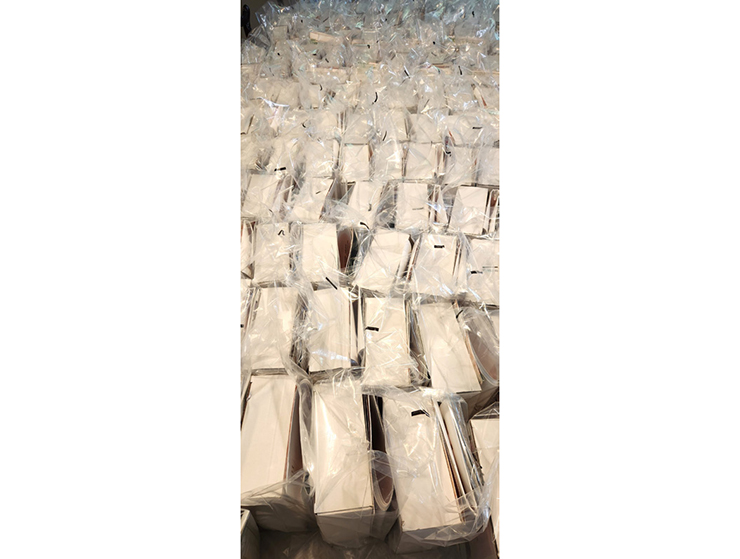
Around 200 recipients receive care from CQJCC. For Shavuos, 150 people are receiving a gift package complete with holiday reading materials and flowers, “which symbolize the beauty that we remember at Mount Sinai.” Recipients receive these specialized gift packages five times a year.
Rebbetzin Mendelson finds it incredibly rewarding “when people say they feel less alone and feel part of the community” rather than forgotten. The younger volunteers also gain a sense of purpose, community connection, and impact.
Forest Hills resident Rachel Epstein has volunteered to prepare and deliver holiday gift packages for nearly four years. “More than the giving, it’s the connection,” she said. Many recipients are unfamiliar with the details of the Jewish holidays, so they appreciate the enclosed explanations and items.
According to the CQJCC website: “Doctors around the world are learning that some ailments are social, rather than physical, resulting from loneliness or missing the activities that used to give patients’ lives meaning. In England, doctors are starting to write ‘social prescriptions’ to combat these kinds of ailments. Some doctors in Massachusetts are leading the charge here in America.”
Isolation and loneliness can raise stress hormones like cortisol, increase inflammation, weaken the immune system, and are linked to higher risks of heart disease, stroke, Type 2 diabetes, and premature death. Isolated individuals are also more likely to experience increased physical pain, fatigue, headaches, and nausea, according to UCLA Health.
Upcoming CQJCC Events:
June 10: “A Safe Space for Grief”
June 14: “Mental Health Awareness” breakfast and meeting
June 21 & 28: Support group for single adults living alone
June–August (Monthly): Informal meet-and-greets with social work intern Michelle Aminov
To register or for more information, visit cqjcc.org or call Rebbetzin Mendelson at 917-754-3006.
By David Schneier