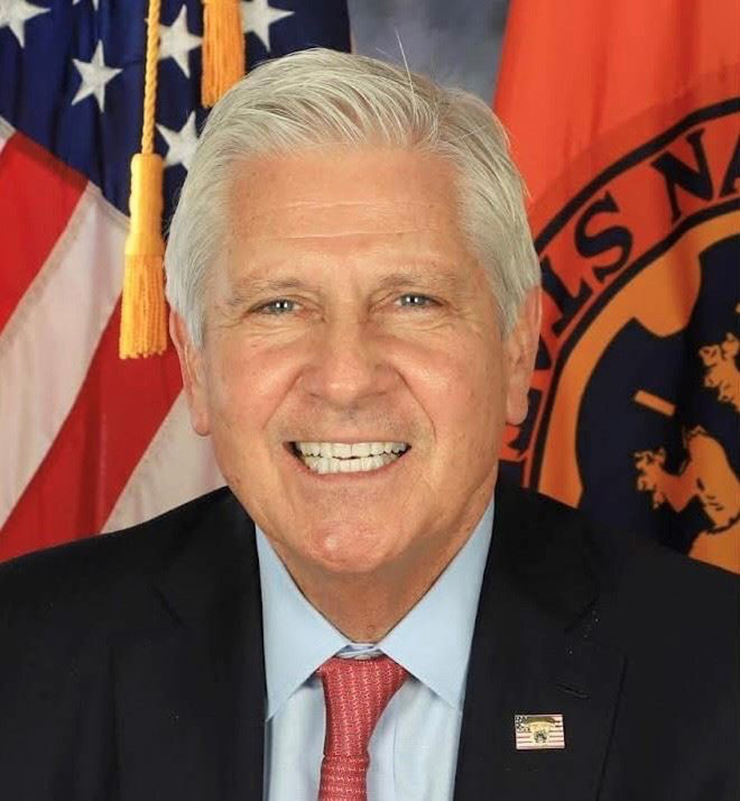
Before He Was Prime Minister: Philadelphia Magazine Revisits Bibi’s Teen Years
Israeli Prime Minister Benjamin “Bibi” Netanyahu grew up in West Jerusalem but spent his high...
 Queens Jewish Link
Connecting the Queens Jewish Community
Israeli Prime Minister Benjamin “Bibi” Netanyahu grew up in West Jerusalem but spent his high...

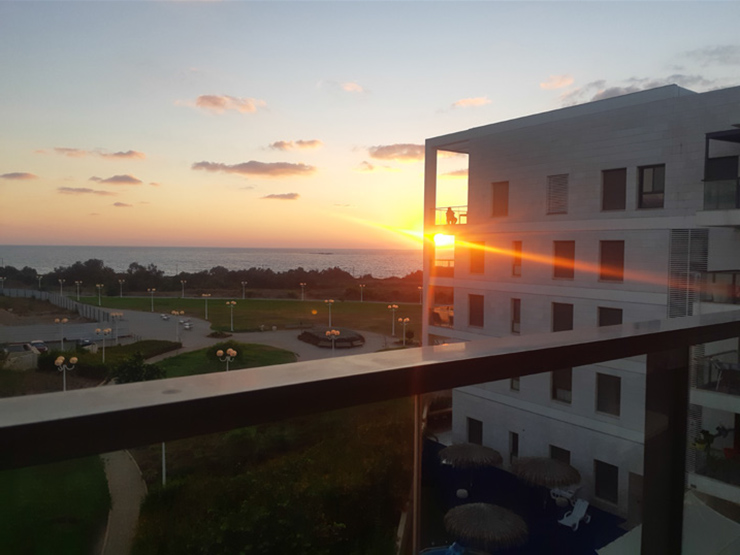
We did not go to the Golan. This may not seem like a big deal, but as we have almost always taken our summer vacations there, the Golan is our home away from home. We love the hikes, the scenery, and the overall atmosphere created by the many frum families vacationing during the summer, especially during bein ha’zmanim, when yeshivos have their three-week break. But this summer, we took a bold step and rented an apartment in Nahariya, the northernmost coastal city in Israel, six miles from Israel’s border with Lebanon.
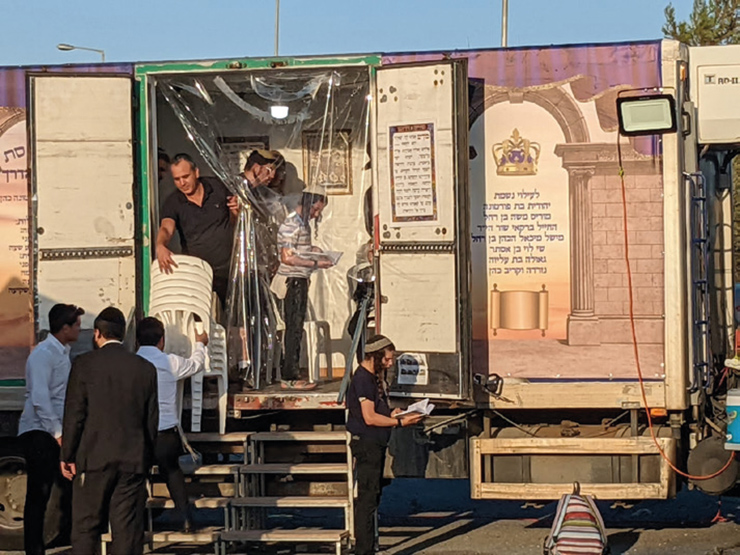
Doron has lived in Yerushalayim all of his life and has traveled on Route 1 between Yerushalayim and Tel Aviv thousands of times. In the afternoon, as the sun begins to set, he often notices cars parked on the shoulder of the highway where passengers pull over to daven Mincha before shkiah (sunset). The individuals davening dot the shoulder along the highway - one person here, two people there, a third further down. This has always bothered Doron. For one thing, parking on the shoulder of the highway is outright dangerous. Secondly, he thought that if all these people could somehow join together, instead of davening by themselves, they could actually daven with a minyan. He would often think about how he could bring these travelers to daven together in some kind of shteibel.
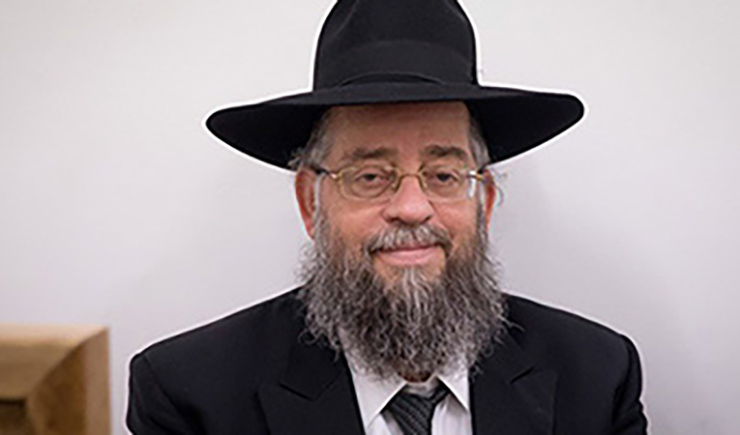
Rav Yeshayahu Heber, a principal and teacher in a yeshiva in Yerushalayim, was receiving dialysis for kidney disease when he became very close with a young man named Pinchas who was also waiting for a kidney transplant. After an appropriate donor was found for Rav Heber and he received a transplant, he began his own search for a kidney for Pinchas. Rav Heber did locate a match, but unfortunately, too much time had passed and Pinchas passed away two weeks before his scheduled surgery. Having witnessed up close the physical and emotional suffering of Pinchas and his parents who had already lost their older son in the Lebanon War, Rav Heber was devastated. His pain spurred him to action and within days after Pinchas’s death, he formed an organization called Matnat Chaim.
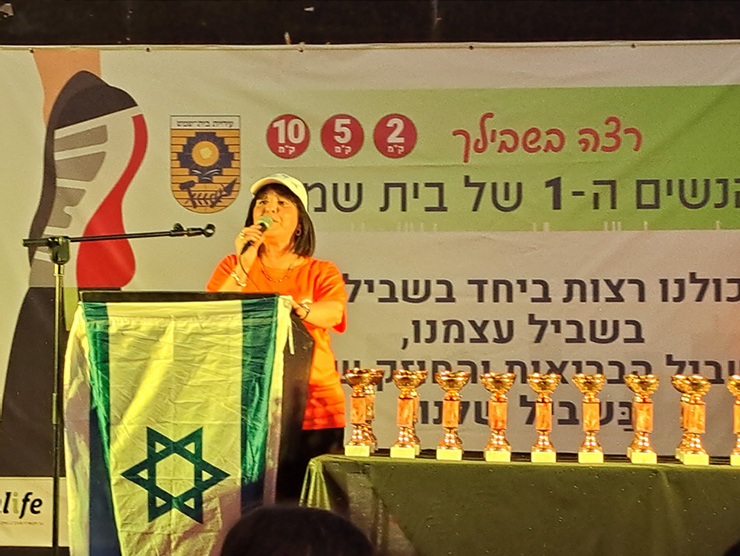
Beit Shemesh is gearing up for the chagim, both physically and spiritually. Every year, Beit Shemesh hosts a race that is open to men, women, and children. It’s a major local event with lots of fanfare. But some women are not comfortable running together with men. To accommodate these women and enable them to address the issue of health in a way that is comfortable for them, last week the municipality of Beit Shemesh hosted its first all-women’s race. I went to the gathering to check out the event.
Last week, my column focused on kidney donations. I would like to add one heartwarming story I heard this week about the same subject that created a tremendous kiddush Hashem. In 2001, Member of the Knesset Rabbi Avraham Ravitz was in need of a kidney transplant. All 12 of Rav Ravitz’s children were found to be a match for him. Not only did all of his children volunteer to donate a kidney to their father, but they each also fought for the z’chus to be able to do so, so that they could fulfill the mitzvot of both saving a life and kibbud av.
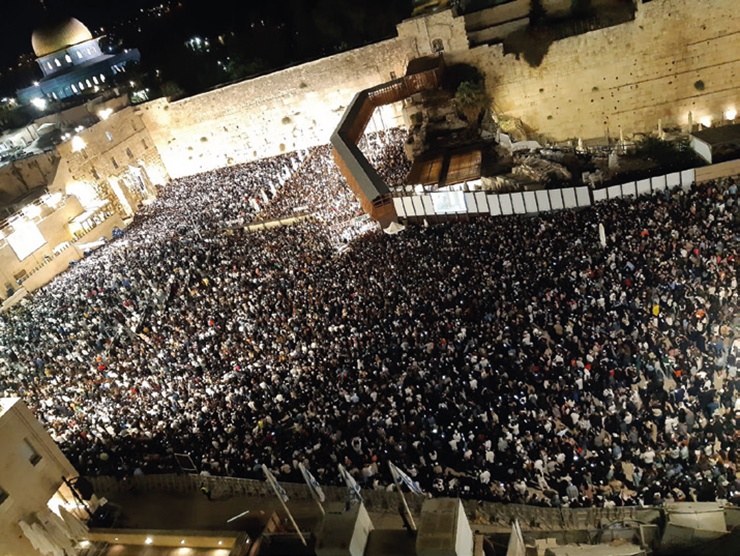
During Elul and Aseres Y’mei T’shuvah, there are so many types of gatherings available to help people get into the mood of the Yamim Nora’im. From the street, I can hear the beautiful music and singing of kumsitzes. Thousands join together to say S’lichos at the Kosel. Maybe I don’t remember, but I don’t recall this sort of thing from when I was growing up. It seems to me that while the t’filos are the same, much has changed over the years, at least for me. These are positive and inspiring developments that meet the needs of our generation.