Shemoneh Esrei: Audience With The King
We now continue our series with a new author. Rabbi Daniel Rubin will present all new segments...
 Queens Jewish Link
Connecting the Queens Jewish Community
Queens Jewish Link
Connecting the Queens Jewish Community We now continue our series with a new author. Rabbi Daniel Rubin will present all new segments...

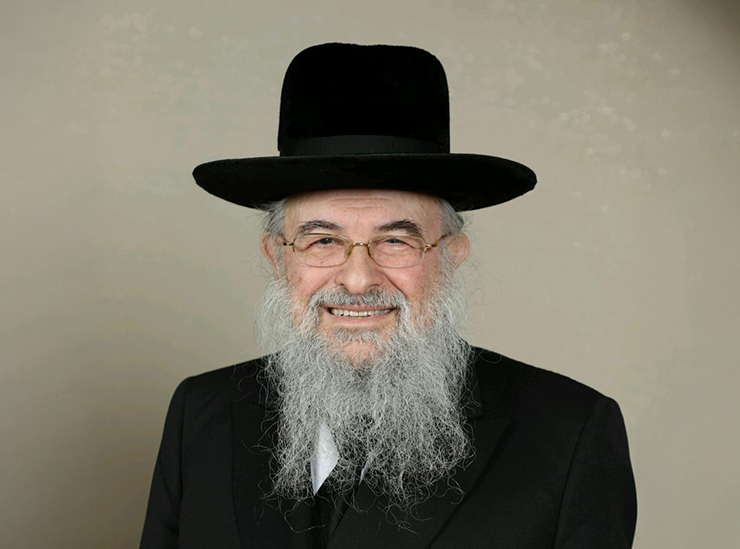
We now continue our series with a new author. Rabbi Daniel Rubin will present all new segments biweekly on Shemoneh Esrei. Rabbi Rubin, a musmach of Rav Moshe Heineman, delivers a regular tefilah shiur in Baltimore, Maryland.
Shemoneh Esrei 22
Oh, to be one unified family!
Hashiveinu Avinu l’sorasecha, v’keirvanu Malkeinu la’avodasecha, v’hachazireinu bis’shuvah sh’leimah l’fanecha
Al Kein 7
v’simloch aleihem m’heirah l’olam va’ed
What Does Hashem Want?
As we begin this period of 40 days of unique opportunity and closeness to Hashem, we will focus our segments on one of the Request Brachos in Shemoneh Esrei. Out of all the requests we make in our Shemoneh Esrei, there is only one request that clearly and explicitly is what Hashem desires, as opposed to what we desire. This request is, in fact, also the core focus of these 40 days.
In “What Does Hashem Want – part 1,” we wrote about the crucial importance of the brachah of “Hashiveinu” in Shemoneh Esrei and suggested that we place great emphasis on this brachah at least until after Yom Kippur.
Seriously Anticipating Mashiach’s Arrival
We are within The Nine Days, just prior to Tish’ah B’Av. May we see the salvation before this Tish’ah B’Av.