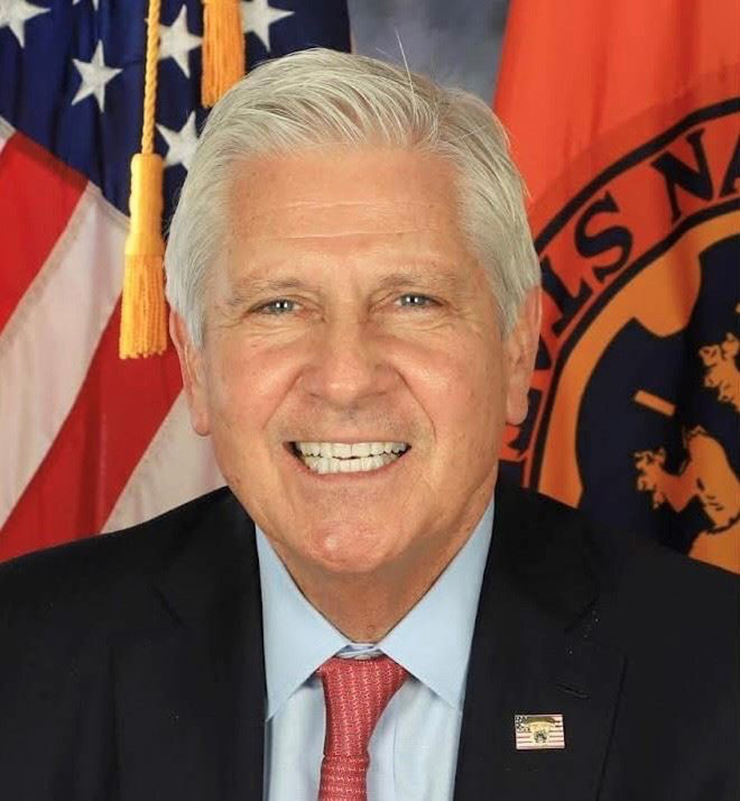

New York City Comptroller Mark Levine’s clarification of his position on Israel Bonds has helped ease concerns among Jewish communal leaders following criticism of his decision not to resume the city’s purchases. His October 15 statement reaffirmed his support for Israel and explained how restrictions introduced under his predecessor, Brad Lander, have complicated efforts to restore the investments.
The controversy began October 14, when Levine disclosed that his office would not purchase Israel Bonds at present, despite pledging during his 2025 campaign to resume a practice dating back nearly 50 years. The announcement drew criticism from Jewish leaders and former elected officials who had expected him to reverse Lander’s decision.
Levine has maintained longstanding relationships with Jewish organizations and has been a familiar presence at communal events throughout Queens. A former chairman of the New York City Council’s Jewish Caucus, he has spoken openly about his Jewish identity and connection to Israel. This past February, he attended the Queens Jewish Community Council’s Legislative Breakfast at the Young Israel of Jamaica Estates. His campaign pledge to restore Israel Bonds investments was consistent with that history.
The investment dispute dates to Lander’s tenure. New York City had purchased Israel Bonds since 1974, but when approximately $39 million in holdings matured in 2023, Lander declined to reinvest. He defended the decision as consistent with his approach to foreign government debt, while critics questioned the departure from the city’s longstanding practice and pointed to the bonds’ repayment history.
Lander’s administration also changed rules governing the Comptroller’s Cash Desk, restricting purchases of multi-year bonds. That decision went beyond allowing existing investments to mature without replacement. It limited a mechanism previously available for purchasing Israel Bonds, creating an obstacle Levine inherited upon taking office. His administration can now consider whether those restrictions should be revised.
The restrictions were not Levine’s only stated concern. His office also cited financial considerations, including regional instability and Israeli government debt. Levine maintains that his responsibility to approximately 750,000 current and future retirees requires investment decisions to be based on financial merit rather than political pressure.
In his October 15 statement on X, Levine emphasized that the city’s pension funds continue holding more than $285 million in Israeli investments, primarily equities, and rejected suggestions that his decision represented participation in the Boycott, Divestment, and Sanctions movement. He also confirmed that Israel Bonds remain under consideration.
Addressing his personal connection to Israel, Levine wrote, “My deep personal connection to Israel is a part of who I am. It will not change.”
The clarification drew favorable responses from several major Jewish organizations, including The Jewish Community Relations Council of New York, UJA-Federation, the Anti-Defamation League, and The American Jewish Committee.
Individuals familiar with discussions surrounding the issue expect the restrictions on multi-year bond purchases to be addressed in the coming months, potentially opening the way for renewed Israel Bonds investments. Levine has not announced a timetable or committed to making new purchases.
New York State Comptroller Thomas DiNapoli, who oversees a separate retirement fund, reaffirmed on October 15 that Israel Bonds remain part of the state’s investment portfolio. The city and state funds operate independently under different investment structures.
By Shabsie Saphirstein