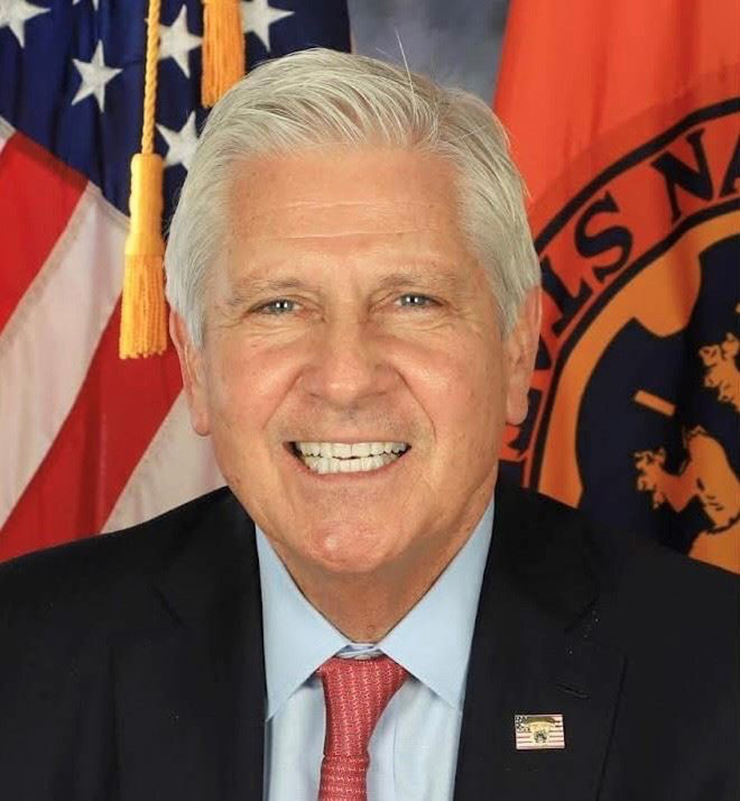
Before He Was Prime Minister: Philadelphia Magazine Revisits Bibi’s Teen Years
Israeli Prime Minister Benjamin “Bibi” Netanyahu grew up in West Jerusalem but spent his high...
 Queens Jewish Link
Connecting the Queens Jewish Community
Israeli Prime Minister Benjamin “Bibi” Netanyahu grew up in West Jerusalem but spent his high...

The topic of leadership is both fascinating and fundamental to human society. The Torah discusses the three categories of Jewish leadership: the Melech (king), the Sanhedrin (courts), and the Kohanim (priests). What is the Jewish approach to leadership, and how does it compare to other perspectives on leadership?
We experience life through the medium of time. Each new moment brings with it new opportunities as we ascend through this journey of time. Amidst these constantly moving waves of time, the chagim are specific and set points that carry with them unique energy. Each holiday presents us with the chance to tap into and experience the theme inherent to that point in time. Before we delve into the specific theme and uniqueness of Shavuos, we must first understand time in general.
In an ideal society, everyone is devoted to achieving their own unique greatness while simultaneously devoting that individual greatness to the larger collective greatness of the nation. A leader’s role is to enable each individual to embark on their own journey of self-discovery and achievement while also helping them devote their lives to a greater whole: To that which transcends themselves, to Hashem, the Jewish people, and the world as a whole.
A speaker once started his seminar by holding up a $100 bill. “Who would like this $100 bill?” he asked.
We are all drowning in Western culture, where physical beauty takes the front seat—or the only seat—in life. But to fully understand the present-day challenge of beauty, we must understand the spiritual concept of beauty in all of its depth. To do so, let us try to understand the spiritual concept of beauty by tracing it back to the creation of Man before Adam HaRishon’s sin.
It came out of nowhere. A flood of emotions suddenly hit Shimon, and before he knew what was happening, there were tears streaming down his face. He immediately pulled over and tried to regain his composure. Strangely enough, he had no idea why he was crying. He sat there for a few minutes before it suddenly hit him hard.