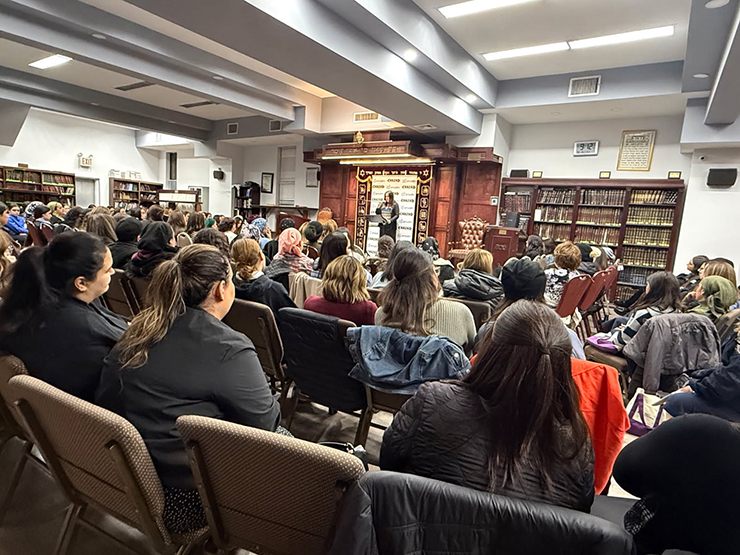
France Is Burning. New York Is Next—Unless We Stop It
These images coming out of France earlier this week should be seen by every single New Yorker, as...
 Queens Jewish Link
Connecting the Queens Jewish Community
These images coming out of France earlier this week should be seen by every single New Yorker, as...

There is a longstanding custom that Parshas BaMidbar is read on the Shabbos immediately preceding Shavuos. Various explanations are offered for this connection, but one of the most striking is also one of the simplest: The Torah was given in a desert: not in a great city, not in a fertile or comfortable place, not in the center of civilization, but in a barren wilderness – a place empty of distraction, empty of security, empty of everything except the encounter between klal Yisrael and the Ribbono Shel Olam.
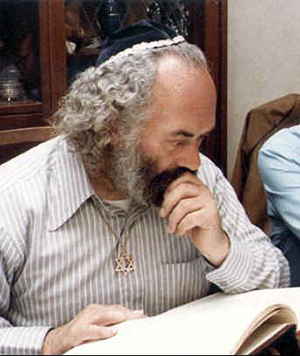
The release of a new documentary, The Darkest Light, about Rabbi Shlomo Carlebach has once again opened a discussion that many in the Jewish world probably thought had quieted down years ago.
There is a striking shift in Sefer Bamidbar.
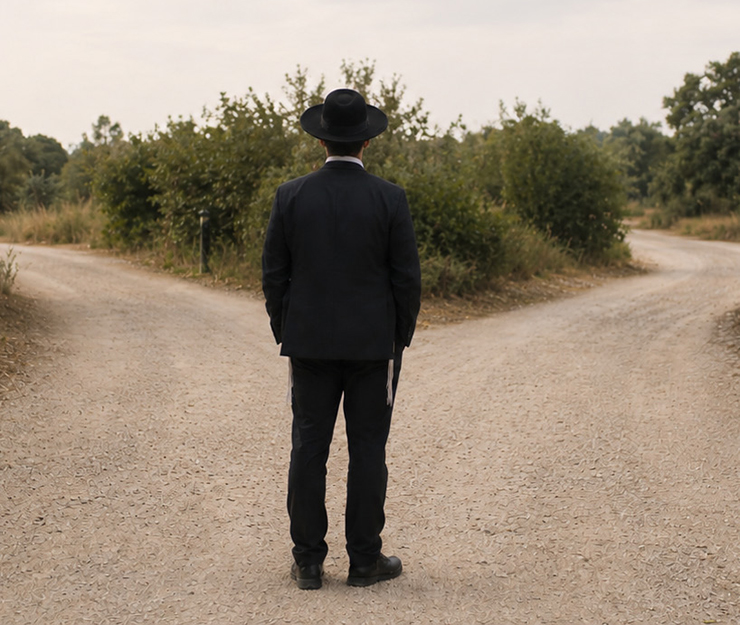
An Israeli news station has reported that elements associated with the Peleg Yerushalmi have been exploring the possibility of yet another chareidi political party, formed with several leading figures unsatisfied with the “mainstream” parties, one that would take an even more uncompromising position against military service. The name it has taken is “Code Black” (Tzeva Shachor), from the network they developed to alert supporters when military police attempt to arrest chareidi draft evaders. Demonstrators are then dispatched to obstruct the arrest.

The tragedy of the M’raglim did not begin with a lie. That is part of what makes the story so frightening.
Elul is often described as a time for introspection, improvement, and t’shuvah. We ask ourselves familiar questions: What have I done wrong? What do I need to fix? Where have I fallen short? These are important questions, certainly. But perhaps they are not yet the deepest question of Elul.