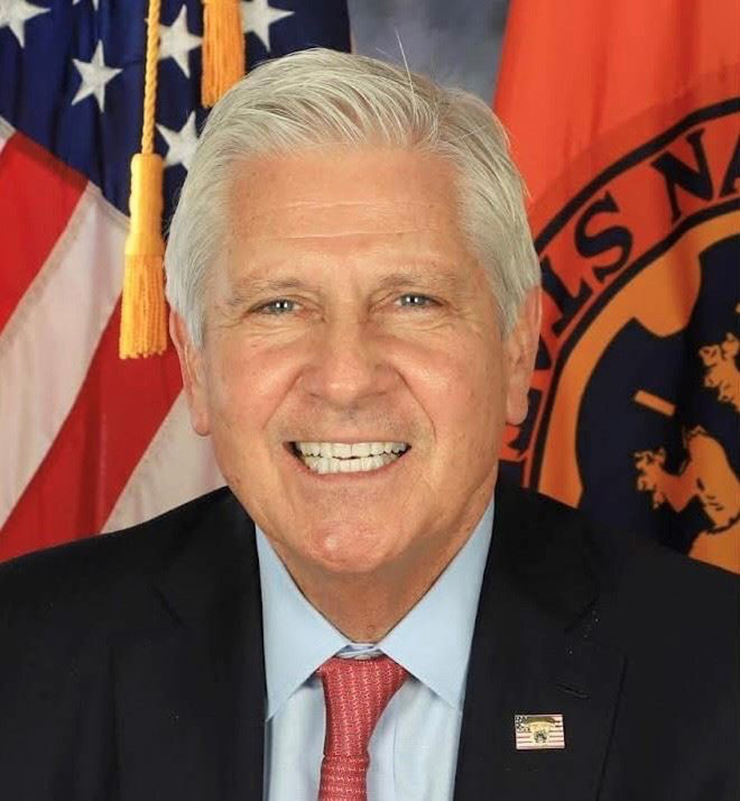
Before He Was Prime Minister: Philadelphia Magazine Revisits Bibi’s Teen Years
Israeli Prime Minister Benjamin “Bibi” Netanyahu grew up in West Jerusalem but spent his high...
 Queens Jewish Link
Connecting the Queens Jewish Community
Israeli Prime Minister Benjamin “Bibi” Netanyahu grew up in West Jerusalem but spent his high...

A tourist once found himself lost in the city of Be’er Sheva. He tapped a man on the shoulder and asked, “Is there a kosher restaurant around here?” The man he had tapped happened to be R’ Natan Chayim Einfeld shlit’a, Rosh Yeshivat Be’er Sheva. Instead of directing the tourist to a restaurant, R’ Natan took him to the yeshivah dining room and served him a sumptuous meal. The man offered to pay for the meal, thinking he was in a restaurant, but the Rav refused to accept any payment. “This is the restaurant of Avraham Avinu,” he said with a broad smile. “You can eat here for free.”
The Chazon Ish zt”l is quoted as saying: “The generation that became non-religious came from parents who were religious. These religious parents saw what was happening with their children but, for whatever reason, could not stop them. They cried lonely, bitter tears, they prayed, they fasted, but it was too late to stem the tide. But Hashem does not forget a Jewish tear. If those tears of sincerity did not help to save their own children, they have helped for the grandchildren and, in some cases, great-grandchildren. That’s the reason why these children come back to Yiddishkeit today—because Hashem doesn’t forget Jewish tears.”
A tourist once found himself lost in the city of Be’er Sheva. He tapped a man on the shoulder and asked, “Is there a kosher restaurant around here?” The man he had tapped happened to be R’ Natan Chayim Einfeld shlit’a, Rosh Yeshivat Be’er Sheva. Instead of directing the tourist to a restaurant, R’ Natan took him to the yeshivah dining room and served him a sumptuous meal. The man offered to pay for the meal, thinking he was in a restaurant, but the Rav refused to accept any payment. “This is the restaurant of Avraham Avinu,” he said with a broad smile. “You can eat here for free.”

Daniel and Neria Sharabi attended the Nova Festival on October 7, together with a group of friends, and soon after enjoying a beautiful sunrise, the missiles started falling and everyone began running. Daniel was a trained IDF medic and kept stopping to help wounded people along the way, but after watching an RPG blow up a car behind which his best friend Yosef and some others were hiding, he simply dropped everything and ran, together with Neriya, for their lives. Terrorists were everywhere, spraying machine-gun fire, and young people were dropping like flies. It was nothing short of heartbreaking.
One day, a number of summers ago, a rebbi in a prominent Brooklyn yeshivah by the name of Rabbi Plutchok found himself learning in a Beis Medrash at a camp in the Catskill Mountains, when he noticed a man sitting nearby learning intently from an English translation of the Gemara. Rabbi Plutchok befriended the man and was taken by surprise when the man confided in him that he had an advanced stage of liver cancer. Rabbi Plutchok tried to comfort him, saying, “It’s amazing that you have this terrible illness, yet you come here every day and are so upbeat about your learning.”
The remarkable story of Yosef being sold into slavery is replete with many nuances and distinctions that require a great deal of studying and comprehension. On a basic level, when the brothers saw Yosef coming to them near Shechem, they convened a Beis Din and judged him on the spot. They decided to kill him as a “Rodef.” However, Reuven, the oldest brother, stepped in and rescued him. He literally gave Yosef back his life by suggesting that they sell him instead of kill him.