France Is Burning. New York Is Next—Unless We Stop It
These images coming out of France earlier this week should be seen by every single New Yorker, as...
 Queens Jewish Link
Connecting the Queens Jewish Community
These images coming out of France earlier this week should be seen by every single New Yorker, as...

It was Friday afternoon, and the Jewish residents of Pressburg, Czechoslovakia, were winding down their Shabbos preparations. The food was cooked, the children bathed, and it was now time for the men to begin heading out to the great synagogue for the special Friday night prayers. As the great Rav of Pressburg, R’ Moshe Sofer ZT”L (Chasam Sofer), put on his rabbinic coat and stepped through the doorway of his home, he instinctively placed his right hand on the mezuzah to kiss it, as he was careful to do whenever he walked through a door.
It’s easy to accuse someone else of being defensive.
It is no coincidence that Parshas D’varim is always read on the Shabbos before Tish’ah B’Av, as Moshe Rabbeinu recaps the tragedy of the M’raglim (Spies). Chazal say that this incident not only transpired on the Ninth of Av, but it was the root of all future destruction that would take place on this cursed day (Taanis 29a).
Our Sages tell us that the name of an individual reflects his inner character and essence. It is what connects him to his spiritual nature, serving as the conduit that provides sustenance and nourishment to his soul. Therefore, the naming of a baby is a serious undertaking that involves great responsibility.
After the failure of the Articles of Confederation to adequately govern the new nation in 1781, a new constitution was needed.
The Midrash (quoted by Rashi) tells us that when Yitzchok married Rivka, he brought her into the tent of his mother Sarah, “for as long as Sarah was alive, a candle burned from one Shabbos eve to the next, a blessing was found in the dough, and a cloud was attached to the tent. When she died, these things ceased, and when Rivka arrived, they resumed.”
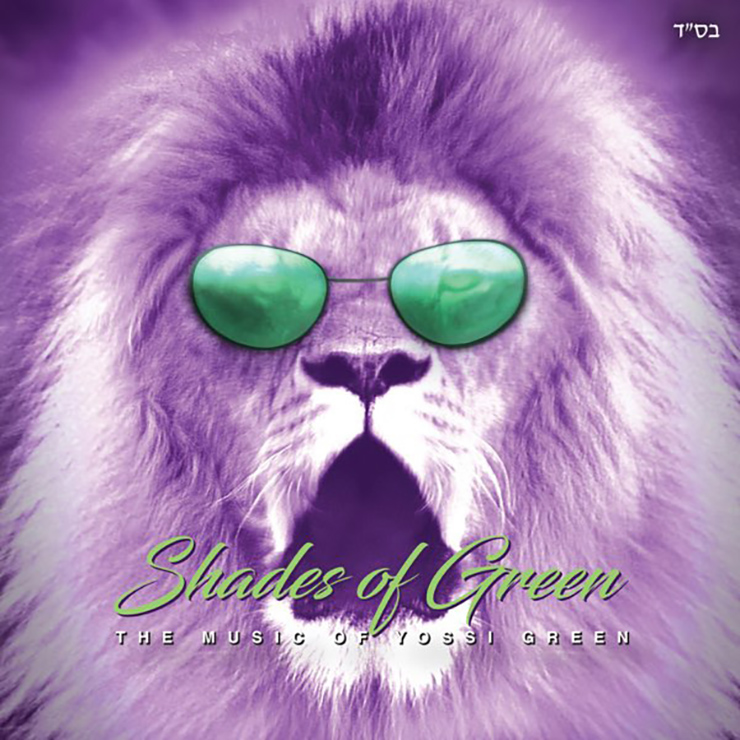
Many of the big Jewish Music (JM) releases from the ‘80s and ‘90s featured songs composed by Yossi Green. Yossi dominated mainstream JM in that era as a composer (and occasionally had other roles, as well), making an immense impact on dozens of projects. Many of the most legendary albums that helped catapult singers’ careers were replete with Yossi’s contributions.