France Is Burning. New York Is Next—Unless We Stop It
These images coming out of France earlier this week should be seen by every single New Yorker, as...
 Queens Jewish Link
Connecting the Queens Jewish Community
These images coming out of France earlier this week should be seen by every single New Yorker, as...

Federal agencies were very explicit in their Dec. 25 holiday greetings to the public, celebrating “the birth of our Lord and Savior, Jesus Christ” in a message issued by the White House. It contrasts sharply with previous administrations that avoided specific references to the defining figure of Christianity.

From Hostage Releases to Visa Freezes: Why Trump’s Foreign Policy
Leaves Freedom-Seekers Waiting
In the past year of President Trump’s second term, some of his surprise moves in foreign policy took place on Shabbos. The releases of Israeli hostages in the weeks following his inauguration, the strike on the Fordo nuclear facility in Iran, and the arrest of Venezuelan leader Nicolas Maduro. Turning on the phone after Havdalah came with a sense of relief that our prayers were answered in the actions of this president as he brought the ceasefire to Gaza, silenced the nuclear threat from Iran, and brought an autocrat to justice.
In November 2023, a 77-year-old man in Panama shot two climate change protesters who were blocking the road he was driving on. As he approached them with his gun, he reportedly said, “This ends here,” before firing. The incident in Panama did not receive widespread attention in the United States and did not deter protesters from routinely blocking roads to advance their political agenda. As more time passed without a similar fatal incident, protesters became increasingly emboldened to use their bodies and vehicles to impede both civilians and law enforcement from carrying out their daily routines.

Following the barbaric October 7, 2023 attack on Israeli civilians by Hamas and Islamic Jihad, there was hope - perhaps naïve - that American and European universities would rally around the only democratic country in the Middle East. This expectation was short-lived and vaporized within the 48 hours that followed the unprovoked terrorist attack. During this time, protests erupted on campuses of both American and European universities. Amazingly, these demonstrations were overwhelmingly pro-Hamas and anti-Israel.

The president’s tough talk won’t suffice if the administration passes on an opportunity to topple the mullahs and chooses to let Hamas survive.
(Jan. 16, 2026 / JNS) When Steve Witkoff, special envoy to the Middle East in the Trump administration, told an audience at the Israel-American Council’s conference this week in Hollywood, Fla., that they should “trust” President Donald Trump to do the right thing on both Iran and Gaza, many, if not most, of those in attendance were probably ready to do so. Trump’s historic support for Israel and willingness to repeatedly confront the Islamist regime in Tehran have earned him the benefit of the doubt when it comes to what will happen in 2026.
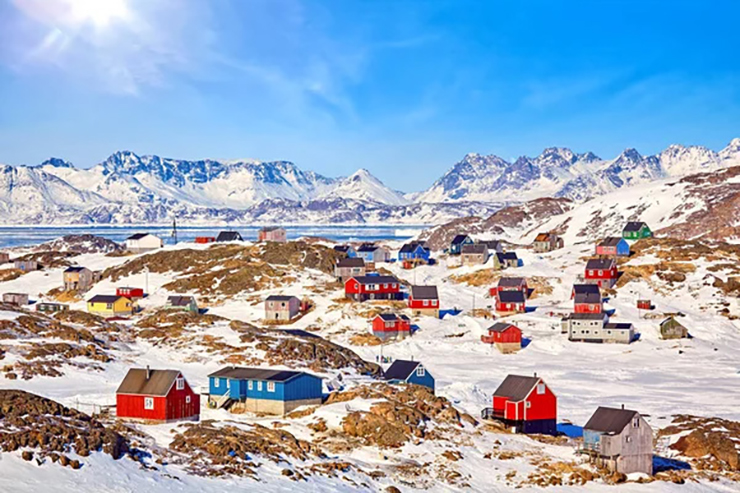
It’s hard for a keen political observer, let alone a casual one, to determine when President Trump is seriously pushing forward a policy proposal, setting up leverage to negotiate a settlement, or simply mouthing off. This uncertainty is a unique gift that Trump alone has, which makes his supporters love him, his detractors hate him, and his negotiating partners wary of him. While “make Canada the 51st state” seems to be in the “joke” category, “rename the Gulf of Mexico,” “abolish the penny,” and “shut down the southern border” were all policies that pundits underestimated his seriousness on. The acquisition of Greenland jumped from joke to serious policy proposal this week.