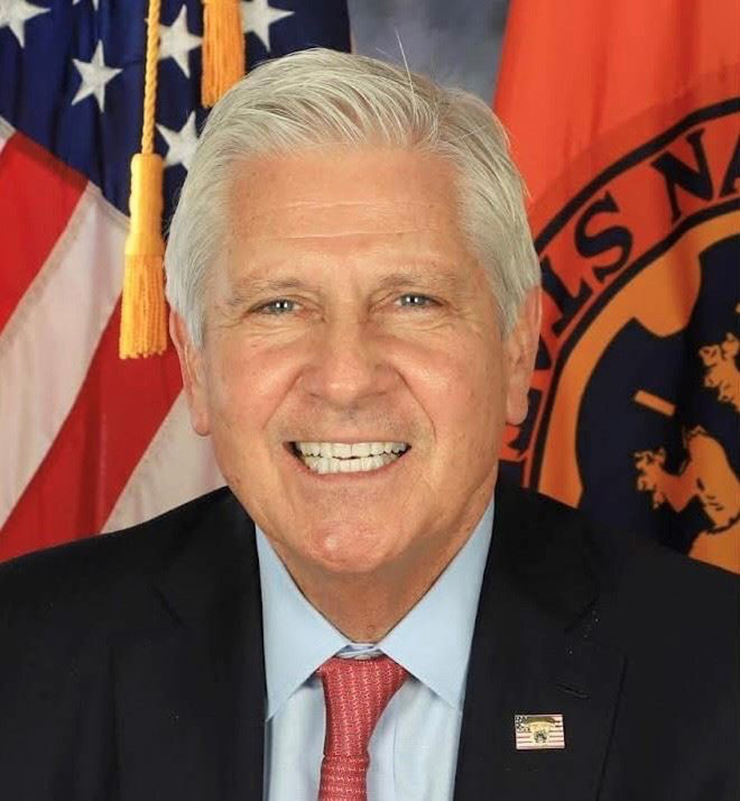

On Wednesday, September 2, I had the privilege of attending a shiur delivered by Rabbi Aaron Goldscheider, editor of Torah Tidbits, author, and speaker, at Beit Knesset HaNassi in Yerushalayim.
Rabbi Goldscheider shared teachings of Rav Kook on Pirkei Avos. He quoted a mishnah that teaches that whoever influences others to become meritorious will not be the cause of sin. Conversely, if someone brings sin to the community, the mishnah teaches that he will not be able to achieve t’shuvah. Moshe Rabbeinu dedicated his life to the community and to teaching, and therefore he has a part in every mitzvah that the community performs.
The Kotzker Rebbe taught that when people are engaged in positive activities for the community, they will not have time to sin. When a person is constantly involved in the needs of others, there is simply less opportunity to become involved in wrongdoing.
Rabbi Goldscheider taught that we should think about teshuvah in a proactive way. We should ask ourselves what we can do for others and how we can fill our hours with chesed. He shared that an article titled “B’Derech,” about Rav Aryeh Levin zt”l, noting that Rav Aryeh was always on his way to perform a mitzvah. He was on his way to visit widows, the leper colony, or prisoners.
The more chesed we perform, the more inspired we become to do even more. Mitzvah goreres mitzvah.
Rabbi Goldscheider cited the t’filah we recite when we are guests in someone’s home. We ask that the baal ha’bayis should not experience any embarrassment in this world or in the next. Why do we begin the t’filah this way? He explained that a guest may experience embarrassment over needing a meal, so he blesses the host that he should never experience that feeling himself.
Next, we bless the host that he should succeed financially. Pragmatically, this could be because we would like to be invited again. We then say that all of his business dealings should be successful and that his business should be nearby.
Why do we specifically say that his business should be nearby? Rav Kook answered that in order for a person to grow spiritually and become whole, he must be concerned not only with his own personal spiritual growth but also with the growth of others. Blessing the host that his business should be nearby enables him to remain involved in communal life, which is essential to his own spiritual growth.
In our time, people often spend more time disconnected from communal life. Rabbi Goldscheider emphasized that one of the ways to grow closer to Hashem is by becoming involved in the needs of others.
Rabbi Goldscheider also shared that the sounds of the shofar in the Torah were used to prepare for battle. The shofar brought the community together and reminded the people that they were part of a nation.
He then spoke about the lamed-vav tzadikim, the 36 highly righteous individuals believed to exist in every generation, and noted that people thought Rav Aryeh Levin was one of them. When someone once asked Rav Aryeh if he was one of the 36, he responded, “Sometimes.”
Rav Aryeh explained that there are 36 in every generation, but the group is always changing. When a person performs a remarkable act of chesed, he can become one of them. It is a beautiful lesson: Becoming a tzadik is attainable. It is something within everyone’s reach.
Rabbi Goldscheider went on to speak briefly about Sukkos, which he described as the ultimate culmination of the progression that begins with Rosh HaShanah. The Gemara teaches that, ideally, the entire Jewish people should be able to sit together in one sukkah.
Rav Kook addressed how this could be possible. As long as sin creates distance between Jews, such unity cannot occur. But once t’shuvah enters our hearts through Rosh HaShanah and Yom Kippur, everyone is healed from the sickness of sin, and we begin to feel the closeness of our souls to one another. We become unified.
Rav Kook therefore viewed the sukkah as the light of achdus. The t’shuvah process breaks down barriers between people and creates greater achdus.
In Maseches Rosh HaShanah, Rava teaches that if a person is insulted and allows the offense to pass without responding, Hashem likewise overlooks his sins. Hashem overlooks the sins of a person who is willing to forgive others.