

In the days leading up to Yom HaShoah, as Jewish communities reflected on the consequences of unchecked hatred, Congress approved a significant increase in funding for the State Department’s Office of the Special Envoy to Monitor and Combat Antisemitism—raising its budget to $2.5 million, nearly a 50% jump. The timing was striking, underscoring that this is no longer a historical concern, but a present reality.
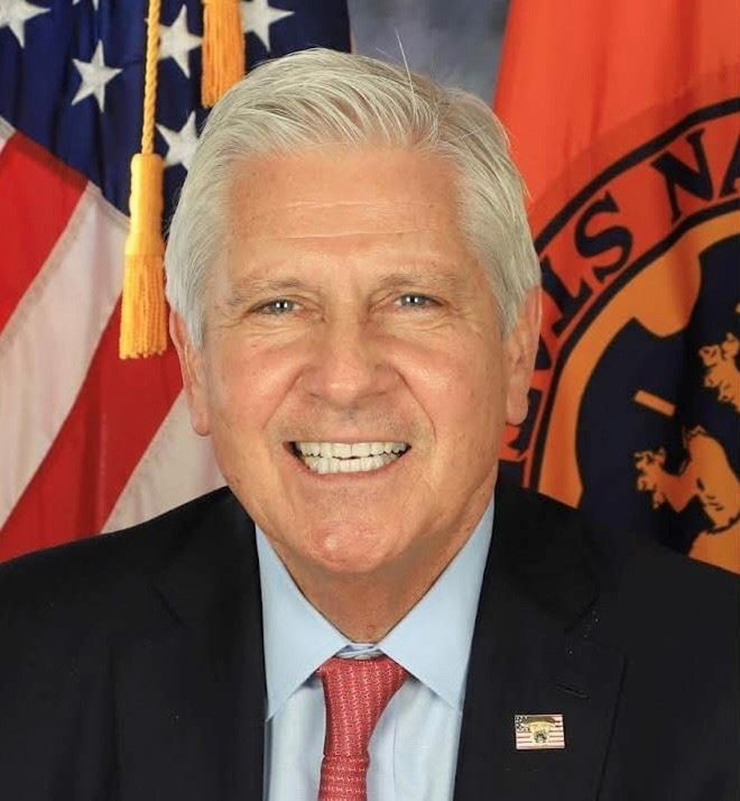
The increase did not happen in isolation. In recent years, a bipartisan group of lawmakers has pushed for stronger funding through coalition letters backed by dozens of members of Congress. Among them is Queens Representative Grace Meng, who helped organize that support and keep the issue on the agenda. While no single lawmaker can claim sole credit—funding ultimately moves through the appropriations process—her role reflects a sustained effort to elevate antisemitism as a federal priority.
What has changed in Washington is not just funding, but urgency. Antisemitism is increasingly being treated not as a symbolic concern, but as a growing global threat requiring real diplomatic investment. Created in 2004, the Office of the Special Envoy is the United States’ primary vehicle for confronting antisemitism abroad—advising governments, shaping national action plans, and coordinating responses to rising incidents. Lawmakers have long warned that the office has been under-resourced for the scope of the challenge.
With new funding comes new leadership. Now leading the effort is Rabbi Yehuda Kaploun, an Israeli-born Chabad-Lubavitch rabbi and businessman who was confirmed by the U.S. Senate in December 2025. Born in Kfar Chabad and raised in part in the United States, he comes from a family rooted in shlichus and Jewish communal leadership, and later built a career in business while remaining active in Jewish advocacy.
Nominated by President Donald Trump, his confirmation followed a largely partisan vote, reflecting broader tensions surrounding the role. His appointment places a visibly Orthodox rabbi in a high-level diplomatic position at a moment of heightened global pressure. Kaploun has emphasized stronger government accountability and expanded efforts to confront antisemitism, including in the digital sphere.
For communities in Queens, where Jewish life is vibrant and deeply rooted, the issue is not abstract. Local organizations and security groups, including Queens Shmira, have spent the past year responding to increased incidents and a heightened sense of vulnerability. That reality gives added weight to Meng’s involvement, reflecting concerns felt directly in her district.
The funding increase is modest, but it signals a clear recognition: antisemitism is not fading but resurging. In the wake of Yom HaShoah, the message is unmistakable: remembrance alone is not enough. Confronting hatred requires sustained attention, coordination, and the will to act before history has a chance to repeat itself.
By Shabsie Saphirstein