
From a historic Asifas HaRabbanim at Beth Gavriel to a mass gathering at Yeshiva Chofetz Chaim, one extraordinary day united communities on behalf of Keren Olam HaTorah
Long before the first word was spoken, the message had already begun spreading across Queens. On Tuesday, June 16, rabbanim, roshei yeshivah, askanim, and community leaders gathered first in Forest Hills and later in Kew Gardens Hills for one of the most significant Torah events Queens has ever hosted.
What unfolded over the course of a single day was more than a campaign on behalf of Keren Olam HaTorah; it was a demonstration of how deeply connected Queens remains to the Torah world of Eretz Yisrael. By uniting communities across the borough – from Holliswood, Jamaica Estates, and Fresh Meadows to Hillcrest, Briarwood, Kew Gardens, Kew Gardens Hills, Forest Hills, Rego Park, and Great Neck – the day showcased both the strength of local leadership and the enduring bond between American Jewry and the Torah centers of Eretz Yisrael.
The Gathering Begins at Beth Gavriel
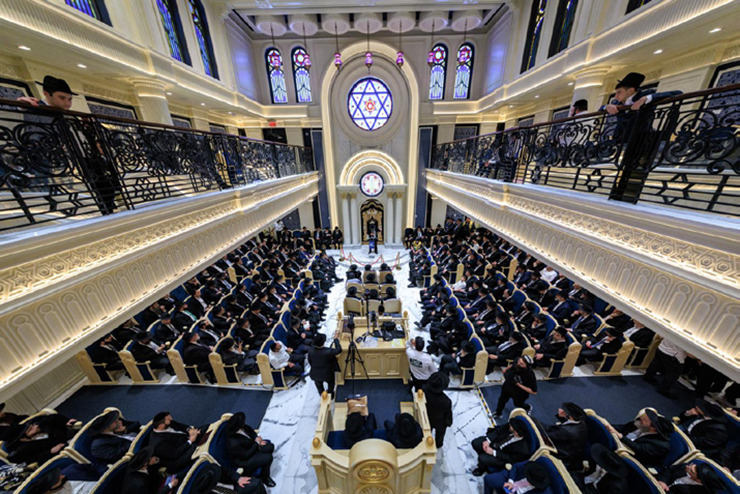
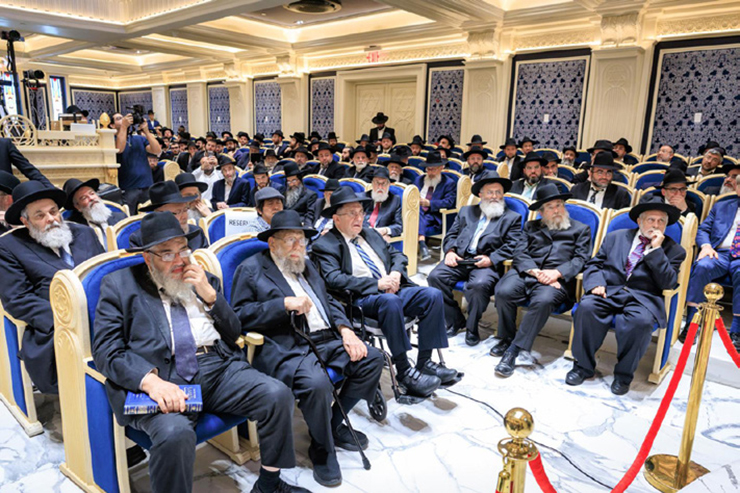
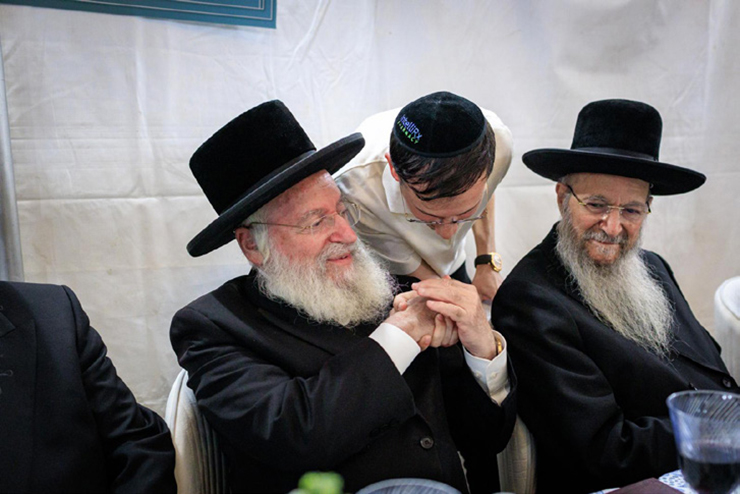
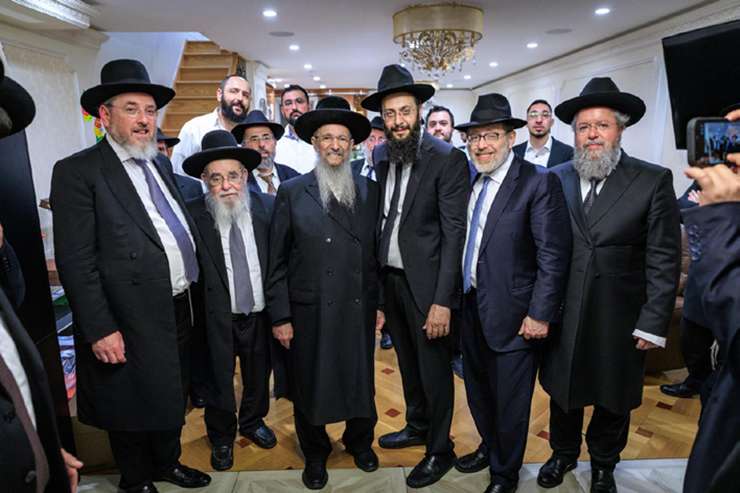
The day began at Beth Gavriel’s magnificent new grand beis midrash in Forest Hills, where Chazaq spearheaded an unprecedented asifas rabbanim. The stunning sanctuary provided a fitting setting for one of the most diverse rabbinic gatherings Queens has seen, with Ashkenazic, Sephardic, Bukharian, and yeshivish rabbanim joined by senior talmidei chachamim and leaders of growing k’hilos. Organizers and veteran community members described the gathering as unlike anything Queens had seen before.
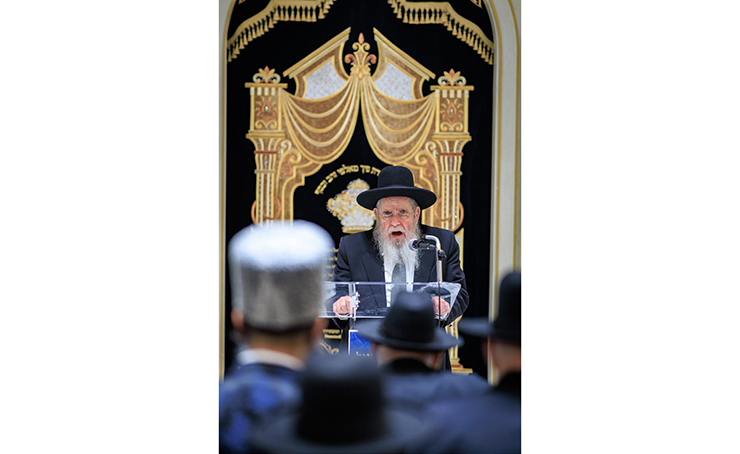
Opening the program, Rabbi Ilan Meirov, Director of Chazaq, cited the pasuk, “Hinei mah tov u’mah na’im sheves achim gam yachad.” He stressed that the gathering was a response to a genuine crisis, with the Torah world in Eretz Yisrael confronting unprecedented financial pressures. Drawing upon the Ben Ish Chai’s explanation of “Eis la’asos laShem, heifeiru Sorasecha,” Rabbi Meirov explained that when the foundation of Torah is under siege, inaction is not neutral; it is, in effect, a contribution to the dismantling of that which we are sworn to protect.
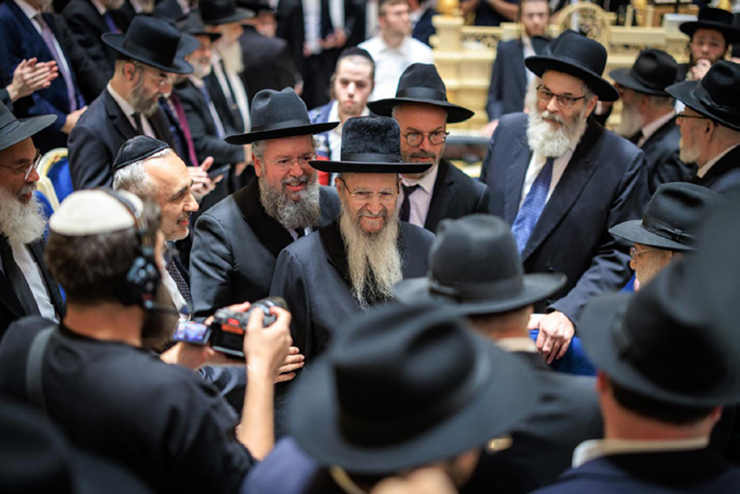
Rav Yitzchak Yisraeli, Chief Bukharian Rabbi of the United States and Canada, described the moment as a sh’as ha’shmad against Torah, while HaRav Yaakov Hillel shlita and Rav Yosef Ezrachi, Rosh HaYeshivah of Mir, emphasized the necessity of achdus in this urgent mission. The session concluded with HaRav Avraham Salim shlita leading the rabbanim in a moving Kabbalas Ol Malchus Shamayim.
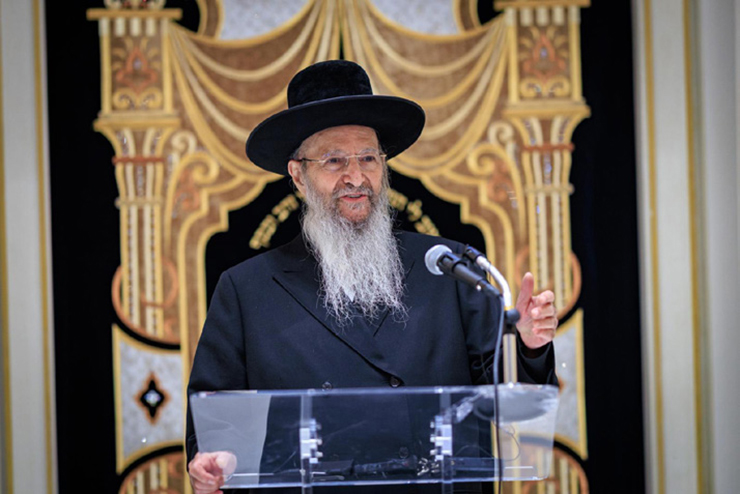
Thousands Fill Yeshiva Chofetz Chaim
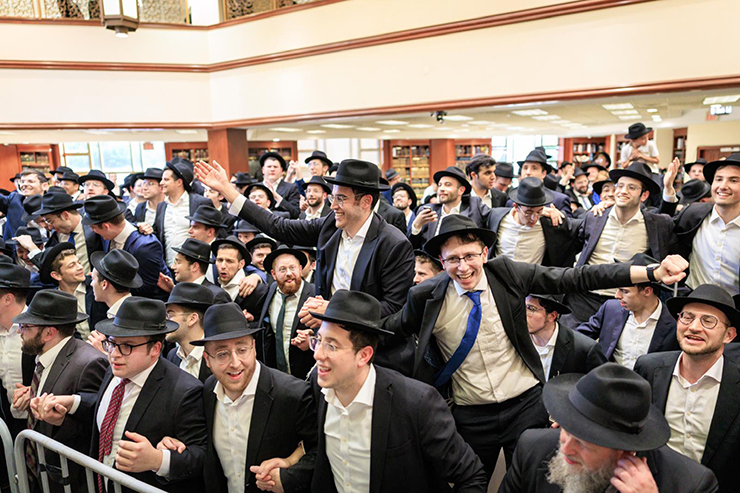
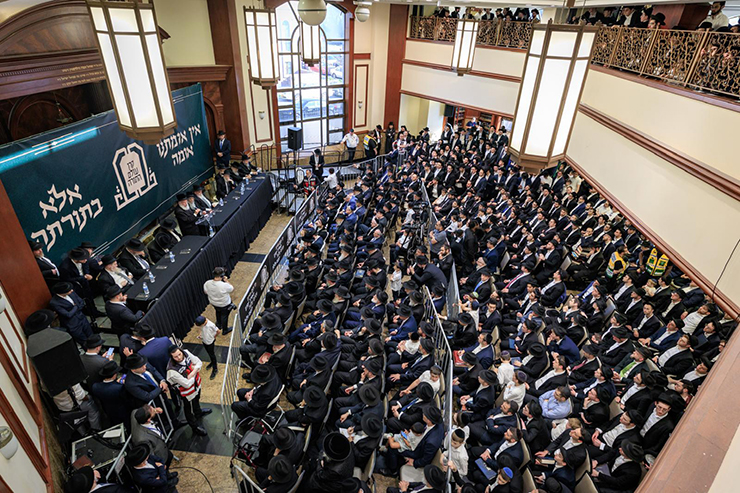
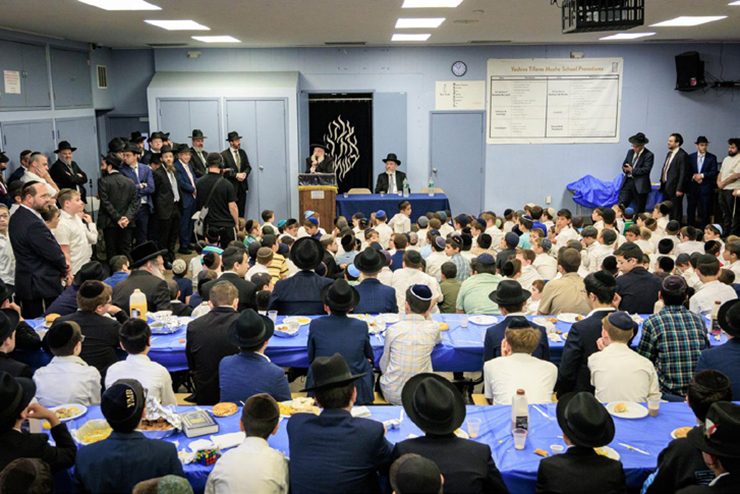
By late afternoon, attention shifted to the Rabbinical Seminary of America, home of Yeshiva Chofetz Chaim. An unmistakable energy defined the neighborhood: Young families, roshei yeshivah, business owners, retirees, and bachurim all converged on the campus. The mobilization was reminiscent of a high-stakes national election campaign, with the fervor and intensity of a massive rally, yet the focus was not on political outcomes but on the preservation of a sacred heritage. The crowd was united by the understanding that when the Gedolei HaDor travel across an ocean, you show up.
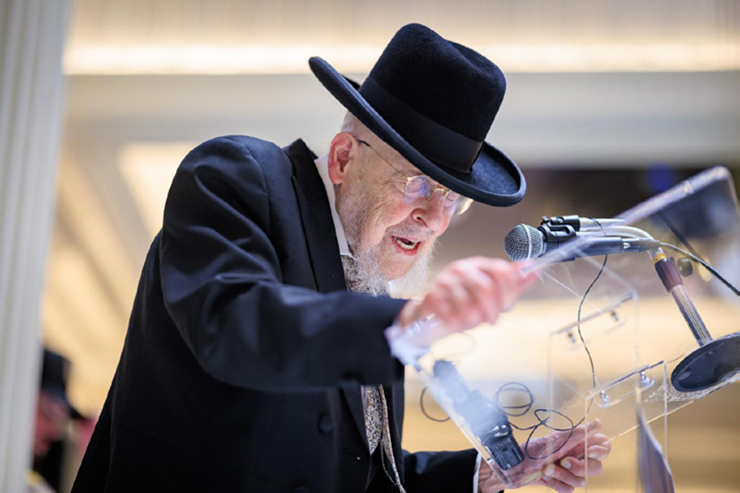
The scale of the maamad required extraordinary preparation. With only days between the decision to hold the gathering and the arrival of the Gedolim, a local team – including Ari Elbogen, Nechemia Hoch, Ari Hoch, Rabbi Yaniv Meirov, and this writer — worked alongside Keren Olam HaTorah, Shmira Public Safety, and community volunteers to coordinate the event in a remarkably compressed timeframe.
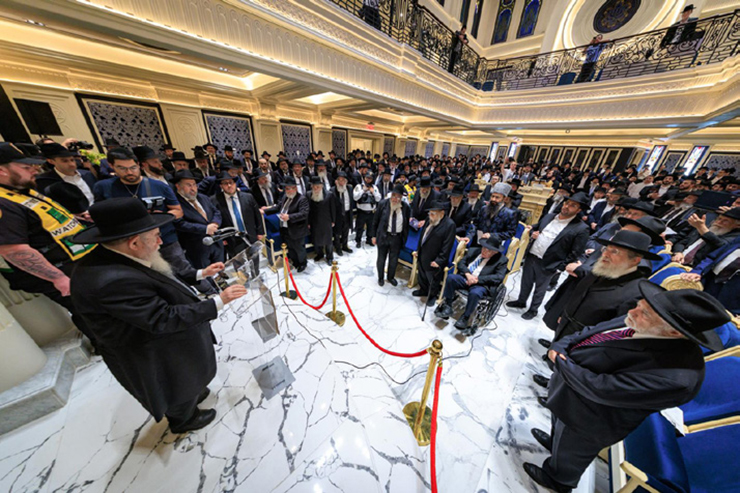
Inside the beis midrash, it was standing room only. Despite the air-conditioning, the heat rose as bodies packed in, creating an intensity that transformed the Yeshiva into a single organism. Outside, massive LED screens carried the proceedings to overflowing crowds.
The Message of the Day
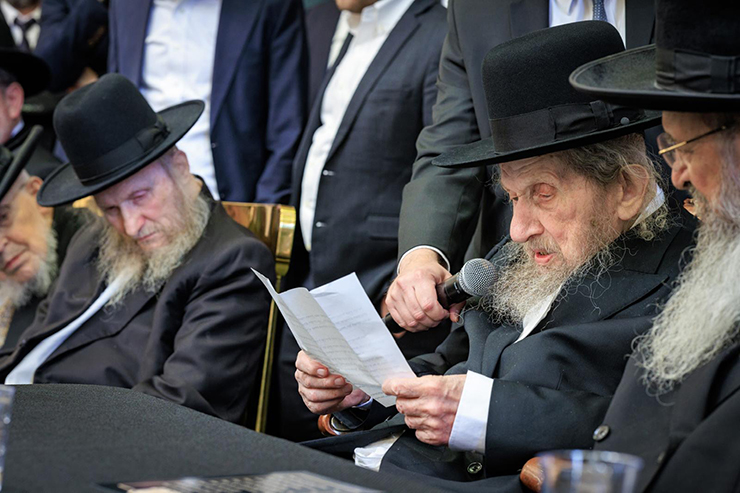
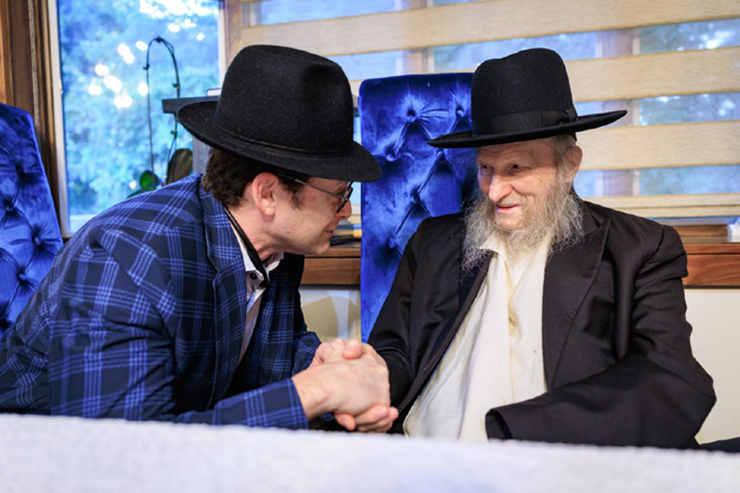
Even before the program began, the Gedolim delivered a lesson in humility. Special arrangements had been made for a private entrance, yet when HaRav Dov Landau shlita (96), Rosh HaYeshivah of Slabodka, arrived, the Rosh HaYeshivah quietly chose to forgo this, entering through the main door alongside the other rabbanim. As the Rosh HaYeshivah entered, organizers requested silence. Thousands immediately complied. The stillness that settled over the packed makom Torah became one of the evening’s defining moments: Speeches paused, and the reverence in the room spoke for itself.
HaRav Akiva Grunblatt shlita, Rosh HaYeshivah of Chofetz Chaim, opened by citing a midrash regarding the honor shown to Yaakov Avinu. If a single act of honor generated such z’chus, he explained, one could only imagine the impact of thousands gathering for kavod haTorah – a public declaration that Torah remains the center of Jewish life.
When Rav Landau addressed the gathering, the Rosh HaYeshivah stressed that responsibility for the future of Torah cannot rest solely on rabbinic leaders or major benefactors. “Every Jew,” Rav Landau explained, “has a share in sustaining Torah through support, sacrifice, and commitment.”
HaRav Asher Weiss shlita (73), Av Beis Din of Darchei Torah, shared a harrowing story from the Holocaust about the Rav’s father and the Klausenberger Rebbe. When asked why the Rav's father risked his life to find the Rebbe in Auschwitz, the answer was, “If we don’t talk and learn, how will we survive?” Rav Weiss connected this to Rabban Yochanan ben Zakkai’s plea: “Tein li Yavneh v’chachameha.”
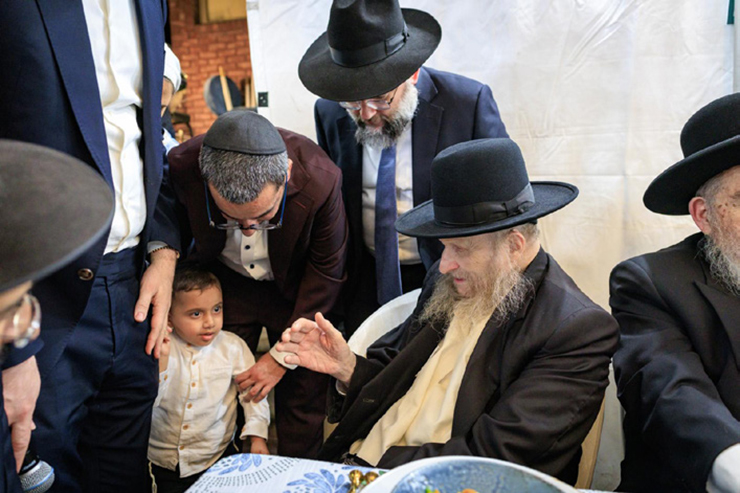
“The yeshivah is our lifeline,” Rav Weiss declared. “Torah is the oxygen in our lungs.”
HaRav Don Segal shlita (93), the renowned mashgiach, emphasized that the gathering itself constituted a tremendous kiddush Hashem. He recalled a story from Radin, where practical observers once questioned why religious Jews would involve themselves in an election they could never hope to win. The answer, he explained, was that victory was never the objective. The goal was to create a kiddush Hashem by publicly demonstrating commitment to Torah and to Hashem.
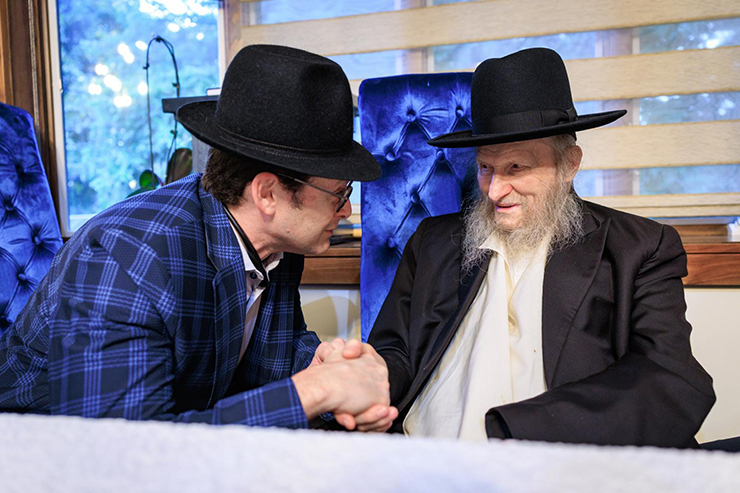
HaRav Avraham Salim shlita (87), Rosh HaYeshivah of Meor HaTorah, spoke of the pain of seeing b’nei Torah portrayed as burdens rather than blessings, expressing optimism at the outpouring of devotion witnessed in America.
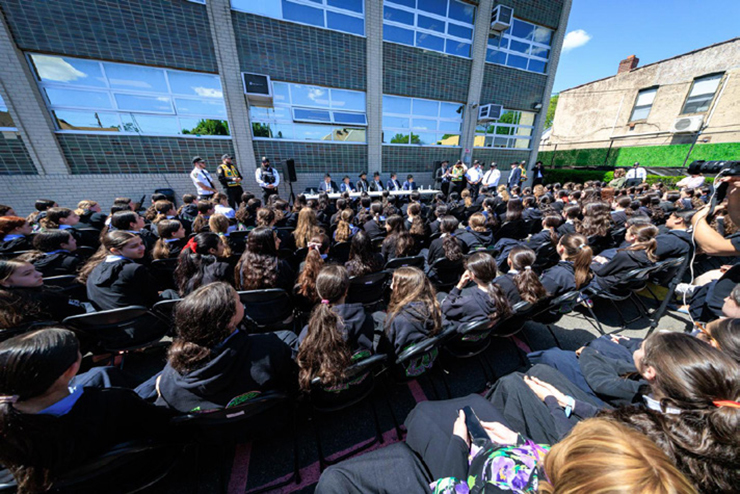
Reb Reuven Wolf, President of Keren Olam HaTorah, provided the practical perspective. The son of a Hungarian Holocaust survivor, he reflected on the agony of stories where rescue efforts failed simply because the necessary resources could not be mobilized in time. When asked by the Gedolim to help lead this initiative, the historical parallel was impossible to ignore. He viewed this as an opportunity to answer the question that has haunted survivors for generations: What would I have done had I been there?
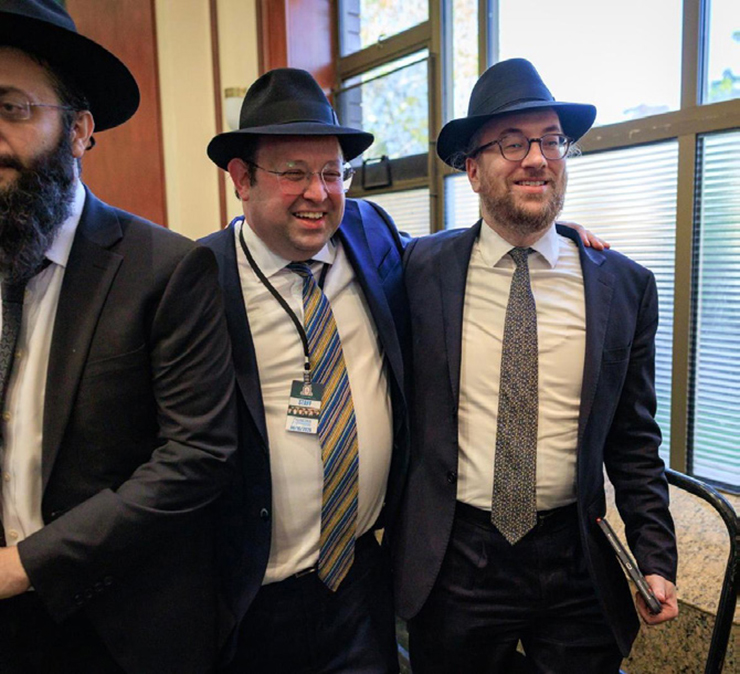
Reb Wolf shared the story of impoverished yungeleit whose wives declined offers of furniture and material assistance, explaining that what mattered most was allowing their husbands to learn with m’nuchas ha’nefesh. Reflecting on their sacrifice, Reb Wolf remarked, “I feel so small next to these people. These are the people we are helping.”
As the evening concluded, the frenetic pace of the day gave way to an almost indescribable stillness. Thousands stood together in prayer. As the crowds slowly dispersed into the evening, the question posed decades earlier in Auschwitz lingered in the air: If we do not learn, how will we survive?
On a June afternoon in Queens, thousands gathered to repeat the answer of Rabban Yochanan ben Zakkai: Yavneh v’chachameha. For one extraordinary day, the kedushah of Eretz Yisrael did not feel thousands of miles away. It felt right at home in Yeshiva Chofetz Chaim.
To learn more or participate in the effort, visit www.rayze.it/olamhatorah/qjl.