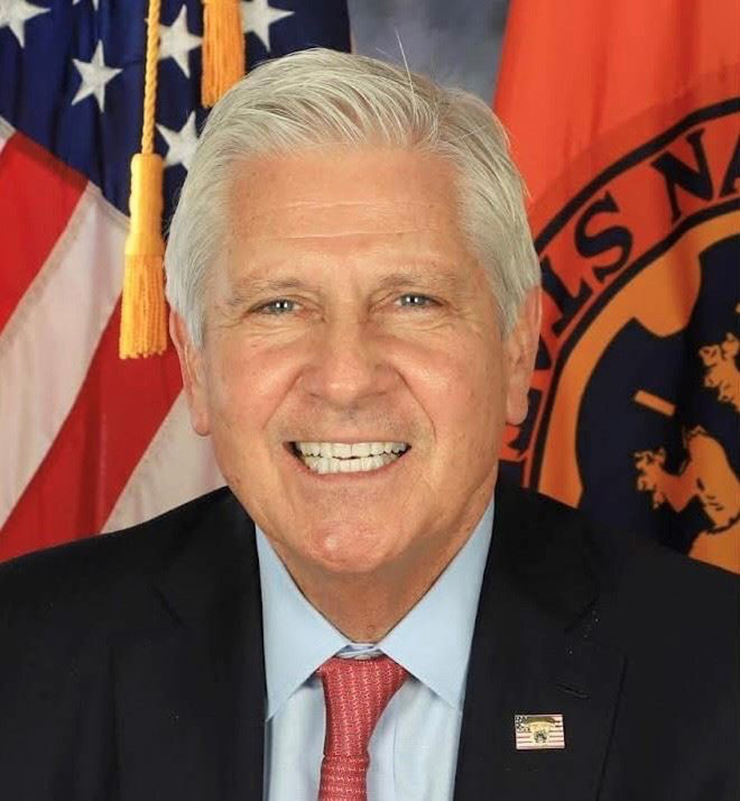

Gubernatorial Candidate Addresses Antisemitism, Public Safety, Affordability, and the Importance of Voter Participation
“Did you ever think you would be living in this city, a city that has been so welcoming to the Jews from around the world for years and years and years, and people would be worried about walking around and wearing a kippah, or going to and from shul, or sending their kids to yeshivah?”
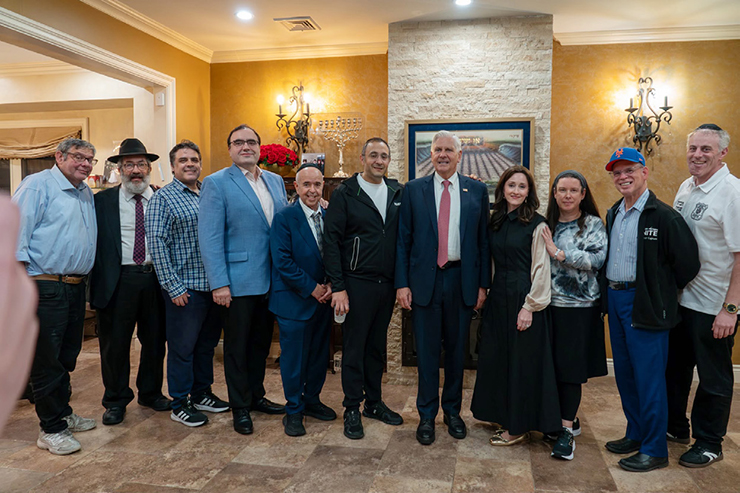
That question, posed by Nassau County Executive and Republican gubernatorial candidate Bruce Blakeman during a visit to Kew Gardens Hills on Monday evening, October 12, spoke to concerns familiar to many Orthodox Jewish families.
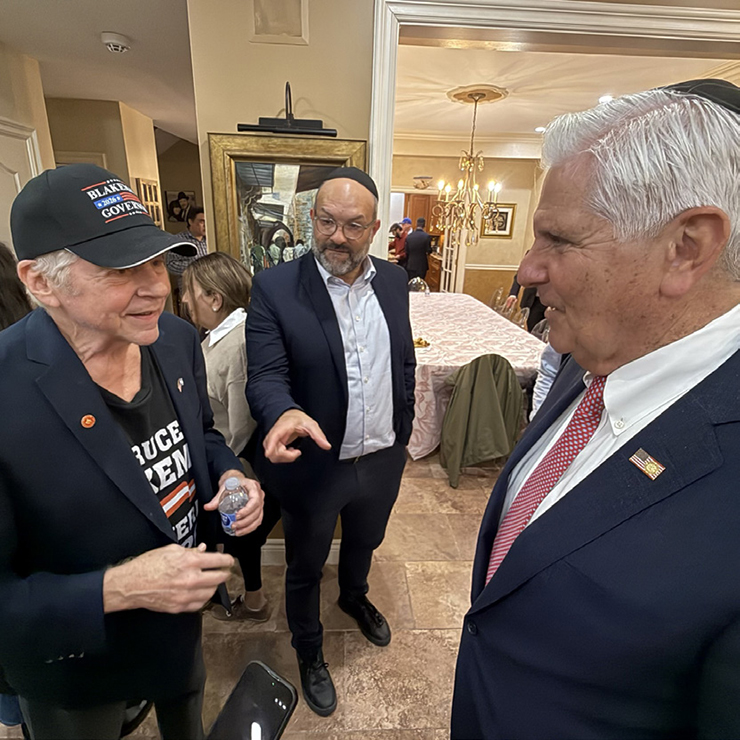
Addressing residents at a meet-and-greet hosted by Shimmy and Sorolle Idels, Blakeman warned that New York was approaching a critical juncture, with antisemitism, public safety, and the cost of living weighing heavily on the state’s future.
“This year, we’re talking about a tipping point in New York,” he declared, describing the November 3 gubernatorial election as fundamentally different from previous contests.
Blakeman’s remarks centered on the security of Jewish communities and his belief that political leaders have failed to respond adequately to growing hostility toward Jews. He pointed to anti-Israel demonstrations that blocked bridges and roadways, along with unrest at Columbia University, as examples of conduct that he believes authorities should have confronted more forcefully.
He sharply criticized New York City Mayor Zohran Mamdani, accusing him of antisemitism and questioning whether his administration would adequately protect Jewish neighborhoods during a violent disturbance. Blakeman suggested that the mayor might order police to stand down in the event of attacks on shuls, yeshivos, or Jewish homes. These were warnings about hypothetical events, not accounts of incidents that had occurred.
He also faulted Governor Kathy Hochul, his Democratic opponent, for politically supporting Mamdani, arguing that she had failed to demonstrate the leadership necessary to challenge him. Both Hochul and Mamdani have publicly condemned antisemitism and announced measures intended to protect Jewish communities, although Blakeman questioned the effectiveness of their approach.
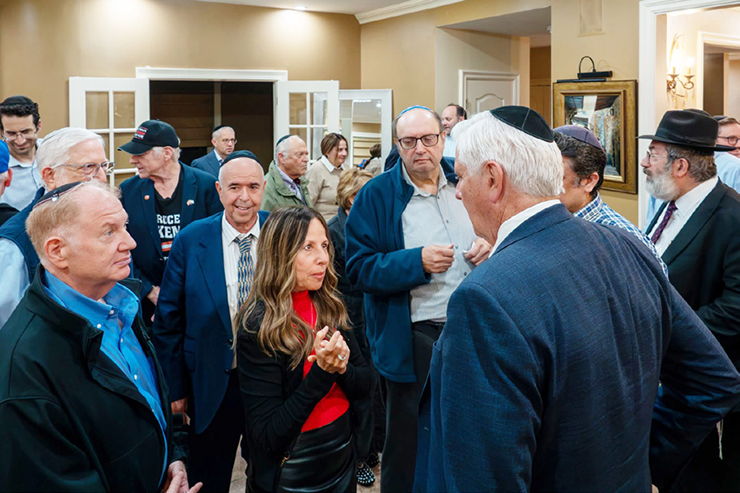
For families accustomed to walking openly to shul, sending children to yeshivah, and participating in neighborhood Jewish life, the concerns raised during the gathering were hardly abstract. Blakeman argued that their security should be a primary consideration when choosing the state’s next governor.
“We’re talking about, number one, the safety of our families, our children, our grandchildren, our great-grandchildren to come,” he told attendees.
The candidate also expressed frustration with Orthodox Jewish voter turnout in the previous New York City mayoral election. He contended that greater participation might have changed the result and urged those present to encourage friends, neighbors, relatives, and coworkers to vote. His assessment of the earlier election was a political argument rather than an established conclusion.
Blakeman broadened his criticism of the Hochul administration to include taxes, utility costs, criminal justice policies, and New York’s business environment. He accused the governor of making the state increasingly unaffordable while pursuing policies that he believes have weakened public safety.
He cited rising utility expenses and criticized changes to cash bail, Raise the Age legislation, and restrictions on cooperation between local police and federal immigration authorities.
Pointing to his administration in Nassau County, Blakeman highlighted budget surpluses, improved bond ratings, tax restraint, and the county’s public-safety record. He maintained that his experience demonstrates how government can control spending, encourage economic activity, and protect residents.
While Blakeman portrayed his record as a model for the state, Hochul has defended her administration’s investments in affordability, public safety, and economic development. Their competing approaches remain central issues in the gubernatorial race.
Blakeman also challenged Hochul’s credibility, citing congestion pricing and public transportation costs as examples of what he described as unfulfilled promises. He argued that voters should judge candidates not simply by their commitments but by their willingness to carry them out.
“Look, this is a trust election. Who do you trust to lead this state?” he asked. “Who do you trust to keep your children safe?”
His remarks concluded with a blessing: “May Hashem bless you all. May Hashem bless America, and thank you very much.”
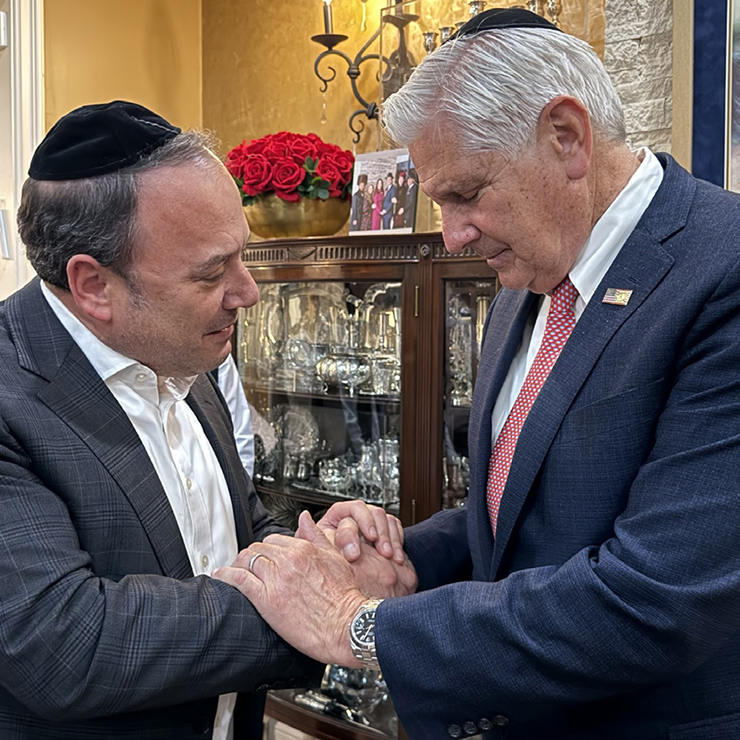
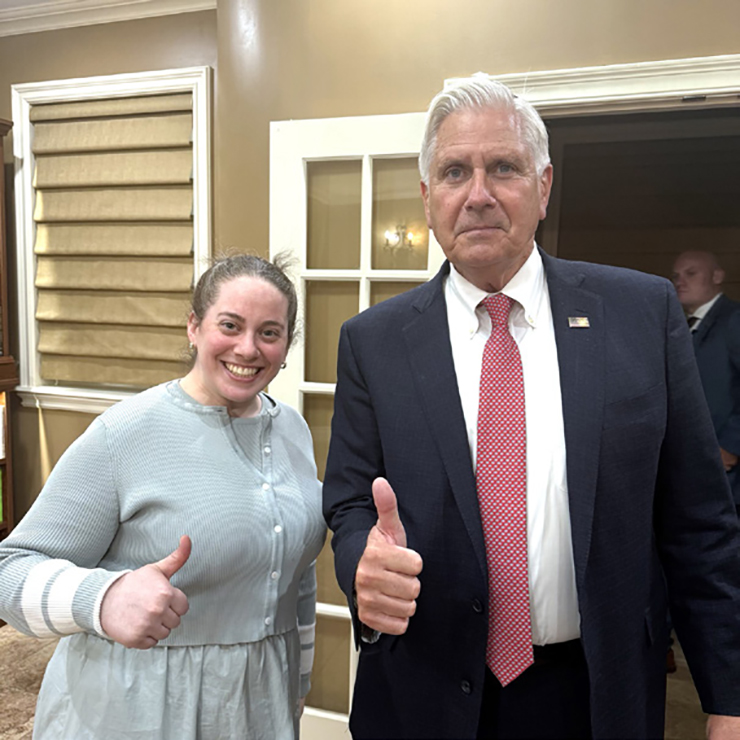
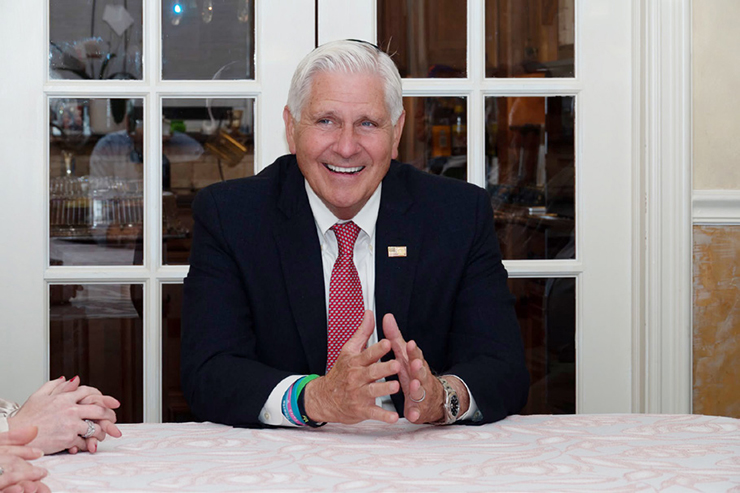
Blakeman’s appearance in Kew Gardens Hills was part of his outreach to Jewish voters as the November election approaches. In addition to his address, he spoke individually with residents and joined a smaller roundtable discussion.
Early voting begins October 24, ahead of Election Day on November 3. The coming weeks offer an opportunity to question the candidates, scrutinize their records, and consider how their policies would affect local families, schools, businesses, and religious institutions.
Whatever conclusions voters reach, the concerns voiced during Blakeman’s visit deserve careful attention. The decisions made in Albany have consequences for all of us, and the community’s participation in the electoral process remains one of the clearest ways to ensure its concerns are heard.
By Shabsie Saphirstein