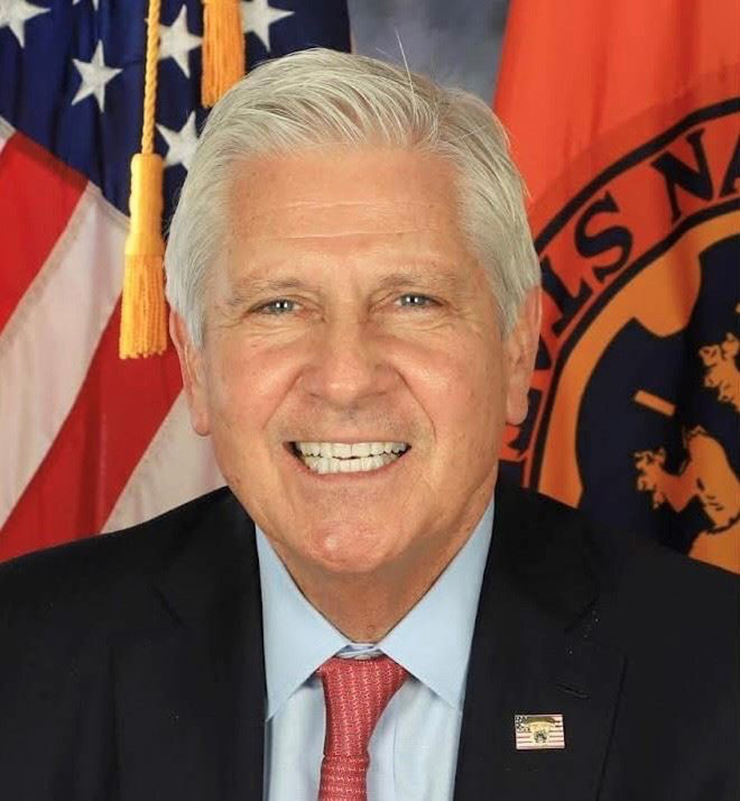
Before He Was Prime Minister: Philadelphia Magazine Revisits Bibi’s Teen Years
Israeli Prime Minister Benjamin “Bibi” Netanyahu grew up in West Jerusalem but spent his high...
 Queens Jewish Link
Connecting the Queens Jewish Community
Israeli Prime Minister Benjamin “Bibi” Netanyahu grew up in West Jerusalem but spent his high...


The one-minute siren wailed loud and clear at the start of Yom HaZikaron. However, this year’s siren came with a sobering clarification: In the case of a real event – if, chas v’shalom, a missile were launched toward us – the sound would be modified to oscillate up and down. In the end, the mournful siren pierced the night in a steady, haunting fashion, as it always does.
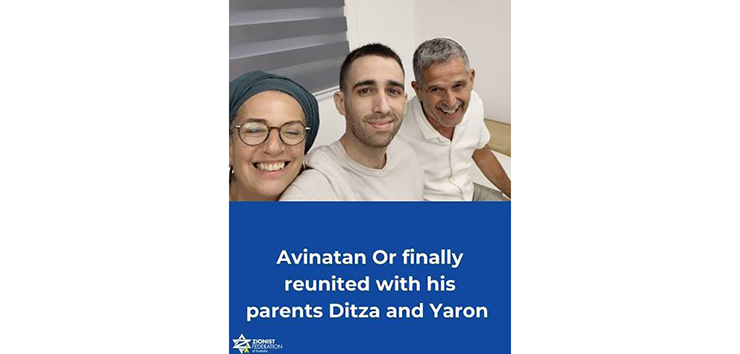
Ditza Or recently visited Ramat Beit Shemesh to share her journey as the mother of a released hostage. Before October 7, she explained, she was simply Ditza Or. But from that catastrophic day, her own identity faded; she became, exclusively, Avinatan’s mother. Life as she knew it stopped. She left her job, abandoned her hobbies, paused her travels, and could barely function as a grandmother. She was entirely consumed with the fight for her son.
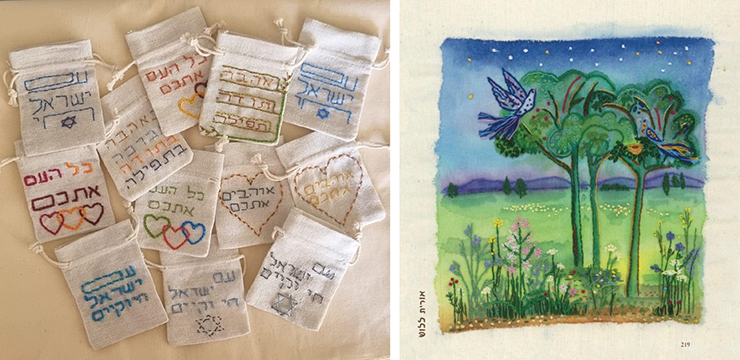
Five-year-old Meirav Shaked was walking down the street with her cousins during a visit to their grandmother’s home when she heard beautiful singing drifting from a nearby building. The melody touched her soul, carrying a deep sense of holiness. It was only years later that Meirav realized that what she had heard that day was actually the sound of t’filah.
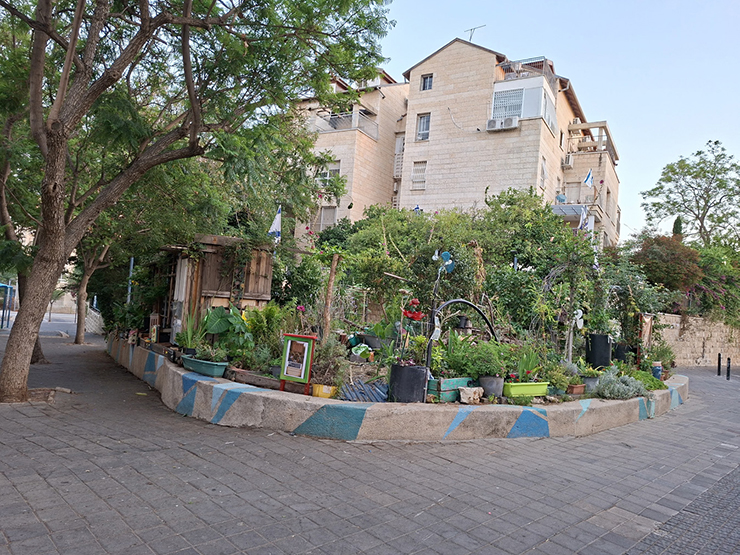
Life continues here in Israel; however, bereaved families carry the weight of their grief forever. Gil Karsenty, a resident of Ramat Beit Shemesh, decided to help local families keep the memories of their sons alive.
My husband and I have the travel bug. The moment we return home from a trip, we are already planning our next one. Our fridge is filled with souvenir magnets, bringing back happy memories every time I open the door. But except for a quick family visit to the US, we haven’t traveled abroad in four years. October 7 stripped me of the desire to go anywhere for a very long time. When the itch slowly returned, the time was never right. But recently, the stars seemed to align. The miluimnikim (reserve soldiers) were at home. Family members who were pregnant had safely given birth. The threat of war with Iran loomed, but in Israel, that is often the case. Most of the time, it remains just that: a threat. It was time to go.
Since opening last summer, the Knesset Museum has welcomed tens of thousands of visitors. Housed in Jerusalem’s historic Froumine House at 24 King George Street, it served as Israel’s parliament from 1950 until 1966, when the Knesset moved to its current home in Givat Ram. Today, cutting-edge technology allows visitors to become members of the Knesset (MKs) for a day, voting on historic issues and listening to famous speeches as they explore the early years of Israeli democracy.