France Is Burning. New York Is Next—Unless We Stop It
These images coming out of France earlier this week should be seen by every single New Yorker, as...
 Queens Jewish Link
Connecting the Queens Jewish Community
These images coming out of France earlier this week should be seen by every single New Yorker, as...

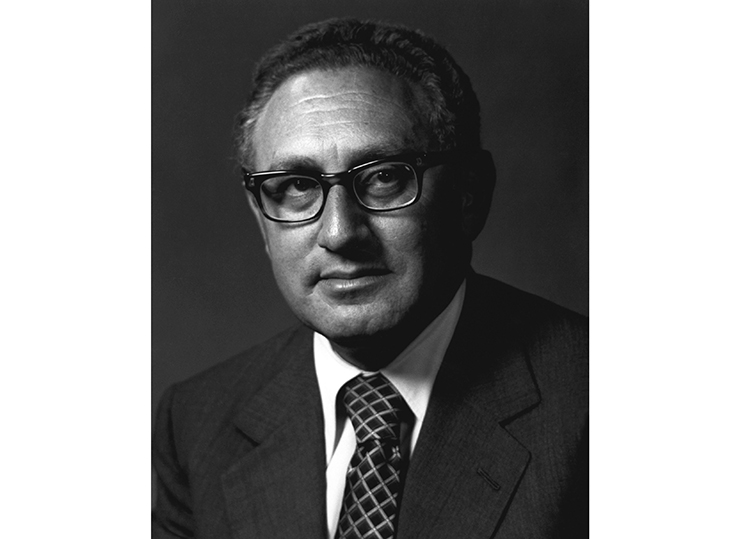
Henry Kissinger, who died last week at the age of 100, was the first Jewish Secretary of State and arguably the most powerful Jew in American history. But was he good for the Jews?

When I teach American Jewish History at Touro College, one of the highly recommended books for the course is Hanukkah in America by Dianne Ashton, which features the National Menorah on the lawn facing the White House. The book documents how a minor religious holiday became the most visible expression of Jewish identity in America, with the participation of presidents who hosted Hanukkah ceremonies at their official residence.
In last week’s parshah, we learn about two sons of Jacob who rose to leadership, Judah and Joseph. The common thread through both stories is the transformation of character that made them fit to lead.
The veil of academia was punctured last week when Congresswoman Elise Stefalnik (R-NY-21) shredded the presidents of three major universities with a simple question: “Does calling for the genocide of Jews constitute harassment on your campuses?” Astonishingly, none of the university presidents were able to simply say “yes.” This caused a tidal wave of backlash, and that should only be the beginning.
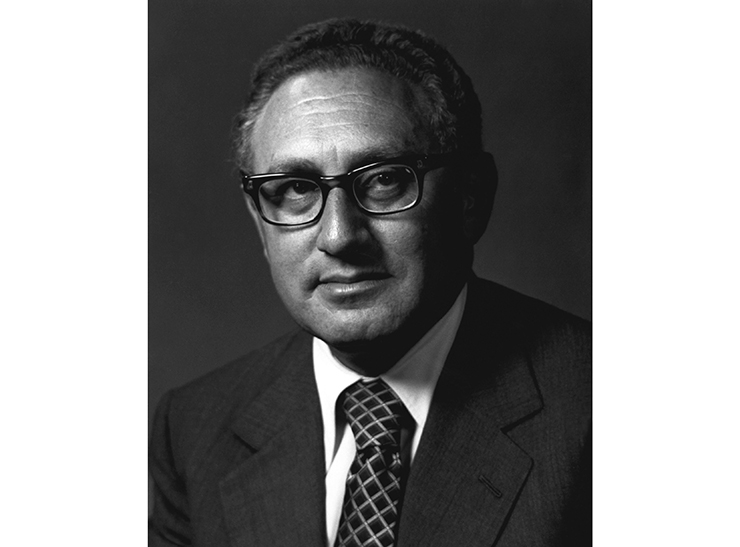
Henry Kissinger, who died last week at the age of 100, was the first Jewish Secretary of State and arguably the most powerful Jew in American history. But was he good for the Jews?
Since the unprovoked savage attack by Hamas terrorists on October 7, and the declaration of war on Hamas by Benjamin Netanyahu that evening, the free world and, in particular, the Western media, has been fixated on proportionality. Given this fact, one might question the legal and moral definitions of proportionality.