The False Narrative About Post-9/11 Islamophobia Legitimizes Antisemitism
The 25th anniversary of the terrorist attacks on America on Sept. 11, 2001 has come and gone....
 Queens Jewish Link
Connecting the Queens Jewish Community
The 25th anniversary of the terrorist attacks on America on Sept. 11, 2001 has come and gone....

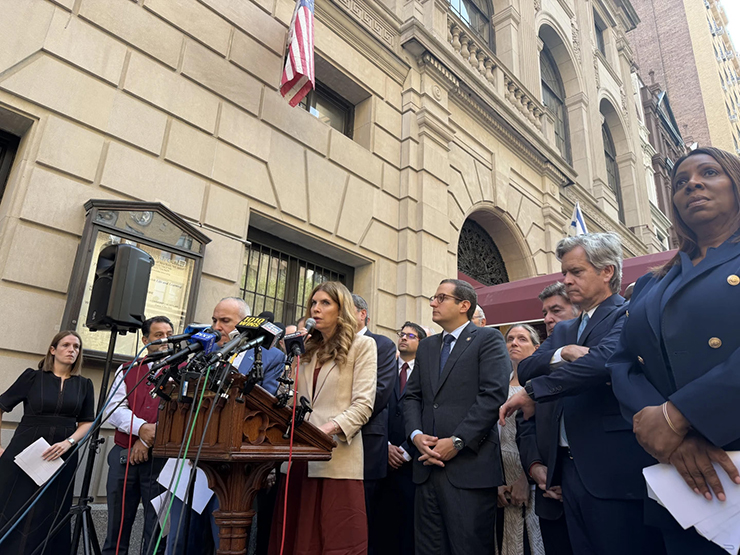
Zohran Mamdani is not yelling “Kill Jews” into a megaphone; he does not have to. As New York City’s mayor, he has perfected a more sophisticated method: raise the temperature with high-profile attacks on the Jewish state and its leaders, encourage street agitation, then step back and claim he is merely offering “critiques of a political leader, not of people of a specific faith.” The plausible deniability is the point. The results are playing out on Manhattan sidewalks.
Politicians and influencers are quick to reference Jews and Israel,
but far less eager to listen to them
This summer began with a viral chant coined during the NBA playoffs, when a Knicks fan appeared in a crowd chanting the words, “My mayor’s Muslim, my bagel’s Jewish, my Christian Dior...” The last line was later modified to reflect the reality of the final score between New York’s victorious hometown basketball team and the San Antonio Spurs.
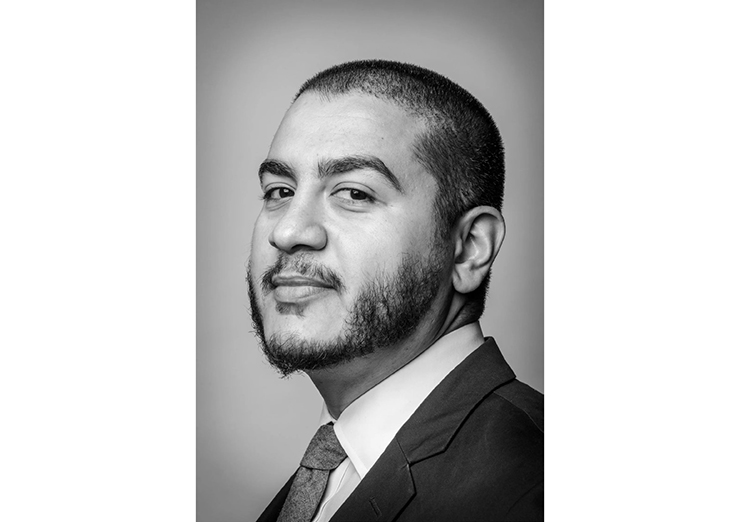
In the heated Michigan U.S. Senate Democratic primary, the endorsement of Dr. Abdul El-Sayed by Senator Elizabeth Warren—joining Bernie Sanders and Rep. Alexandria Ocasio-Cortez—spotlights a party that has veered dramatically from where it was 20 years ago. El-Sayed, a terrorist sympathizer who mourned the death of Ayatollah Khamenei and criticized his rival for condemning political violence, is indicative of a national trend that Democrats have followed in the past few years.
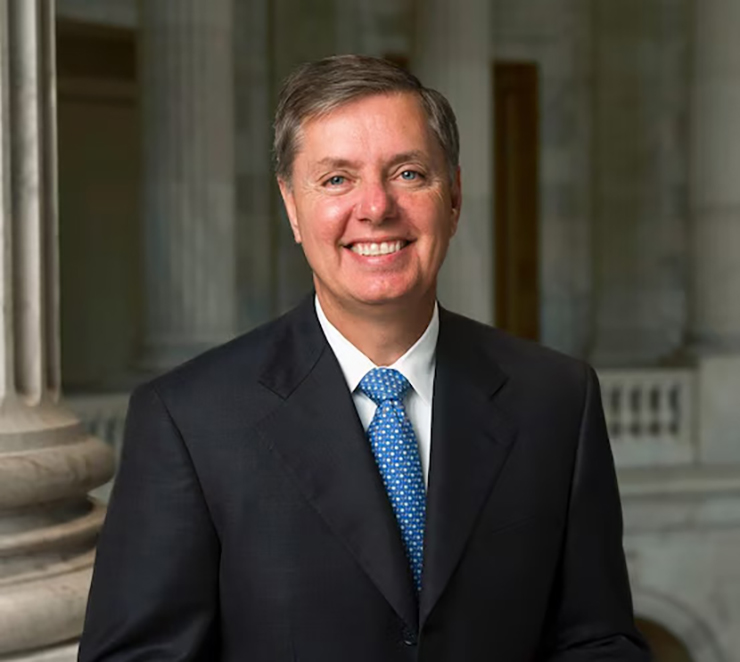
Senator Lindsey Olin Graham, the Republican from South Carolina whose decades-long career embodied a pragmatic, forward-leaning American foreign policy rooted in strength, alliances, and moral clarity, died suddenly of an aortic dissection on July 11, at age 71. He passed away shortly after returning from what would be his final trip to Ukraine, where he met with President Volodymyr Zelenskyy and helped advance new sanctions targeting Russia’s war machine.

When I was at the beginning of my career as a researcher/teacher at the university level, I had a relationship with Dr. Leonard D. Kurtz. Dr. Kurtz was a very unusual fellow. He was a board-certified radiologist but practiced medicine for only a short time. Instead, he ran a company that produced surgical needles and sutures. By nature, Dr. Kurtz was an inventor at heart, and he invented an improved polyester surgical suture by coating it with Teflon. This combination led to improved tissue compatibility and low friction, reducing tissue damage. The invention made Kurtz a wealthy man and allowed him to dedicate the latter part of his life to supporting biomedical research and researchers.
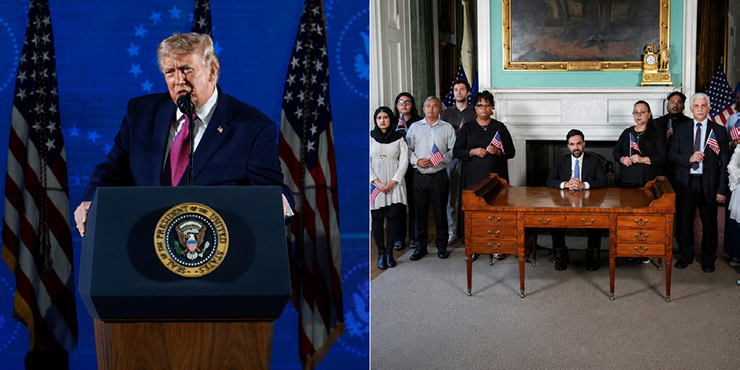
This July 4th weekend, as the nation marked its 250th birthday, two prominent speeches offered Americans a stark choice in how we understand our past and chart our future. One, delivered by New York City Mayor Zohran Mamdani, framed the American story as if we were currently undergoing systemic problems like slavery or Jim Crow, rewriting history to appeal to the victimhood mentality of the socialists. The other, given the next day by President Trump, celebrated America as the crowning achievement of human history, built by giants who secured unalienable rights and a people whose best days remain ahead. The contrast reveals more than a rhetorical differentiation; it’s a chasm between grievance and gratitude.