Rabbi Uri Deutsch Offers Yom Kippur Message Of T’shuvah And Renewal
On Wednesday evening, September 16, Coach Menachem Bernfeld hosted a virtual shiur featuring Rabbi Uri...
 Queens Jewish Link
Connecting the Queens Jewish Community
On Wednesday evening, September 16, Coach Menachem Bernfeld hosted a virtual shiur featuring Rabbi Uri...

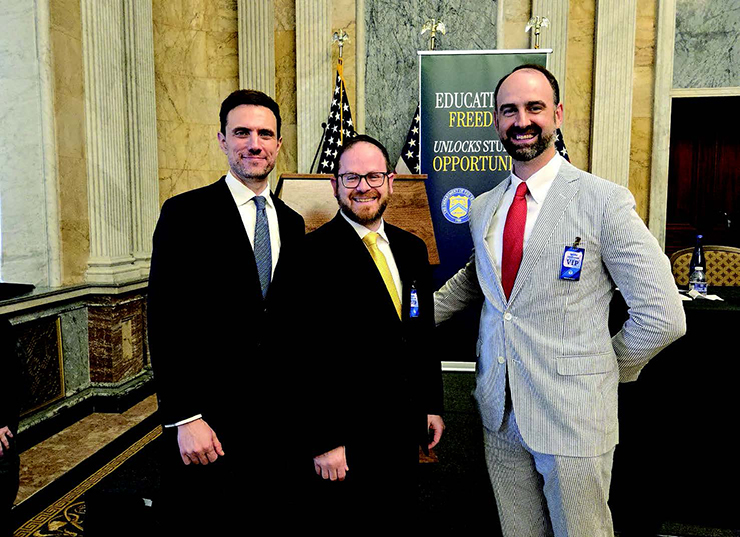
Agudath Israel of America welcomes the release last week of the regulations for the Education Freedom Tax Credit (also known as the Federal Scholarship Tax Credit) by the Department of the Treasury. The announcement is great news for American families and provides the necessary clarity to allow states and scholarship organizations to implement the tax credit in time for its launch in January 2027.
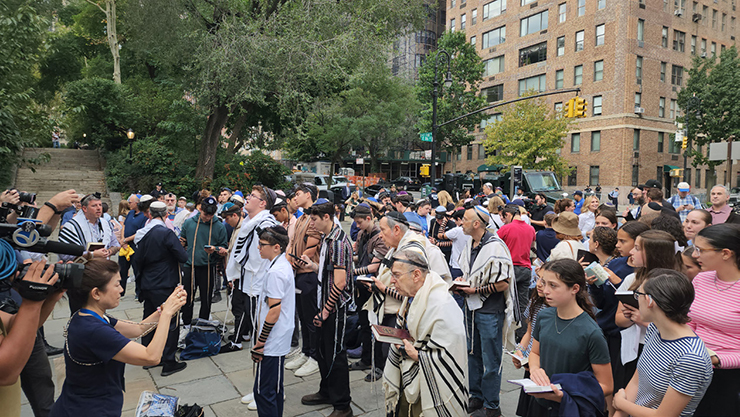
Two days before Yom Kippur, I stood on the corner of East 86th Street and East End Avenue and watched more than 500 Jewish students do something most adults twice their age would hesitate to do. They davened Shacharis out loud, on a Manhattan sidewalk, in the open air. They sang. They danced. And then, one by one, they stepped forward and said plainly who they are.
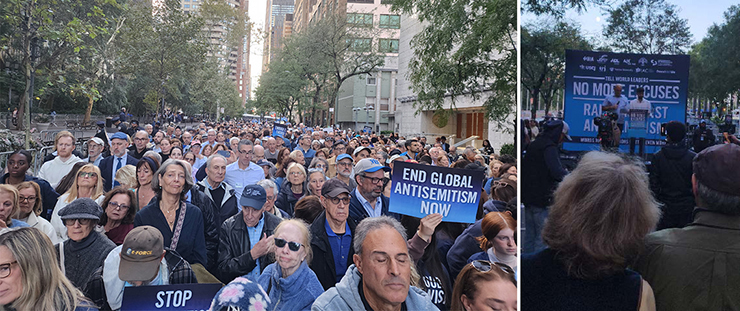
A block from the United Nations headquarters, thousands of New Yorkers packed Dag Hammarskjöld Plaza on Wednesday, September 23, for the “Tell World Leaders: No More Excuses” Rally Against Anti-Semitism. Among speeches demanding accountability, one moment silenced the crowd: A young Jewish survivor of the Nova music festival massacre stood beside the Bedouin Muslim man who saved his life.
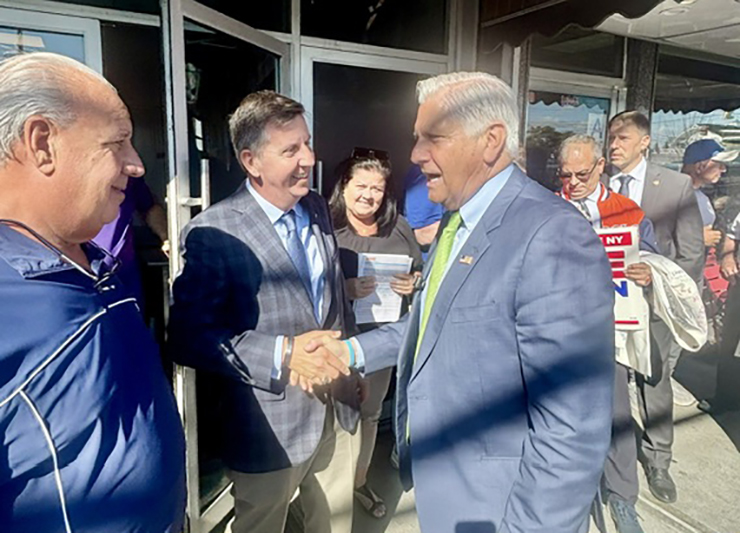
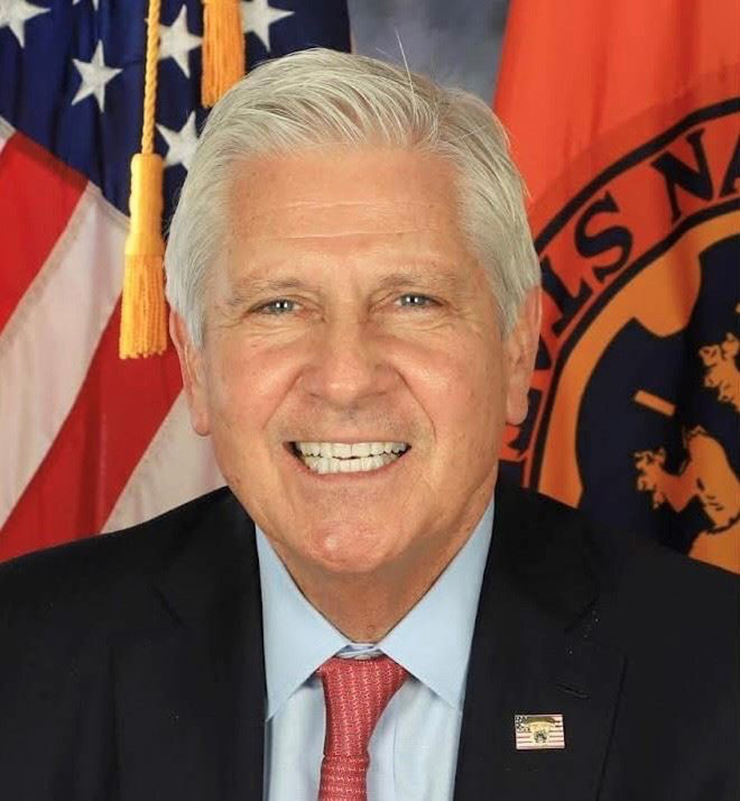
Republican gubernatorial candidate Bruce Blakeman brought his campaign’s affordability message to Howard Beach on Tuesday, September 15, making utility costs the centerpiece of a press conference while underscoring an increasingly visible campaign presence in Queens.
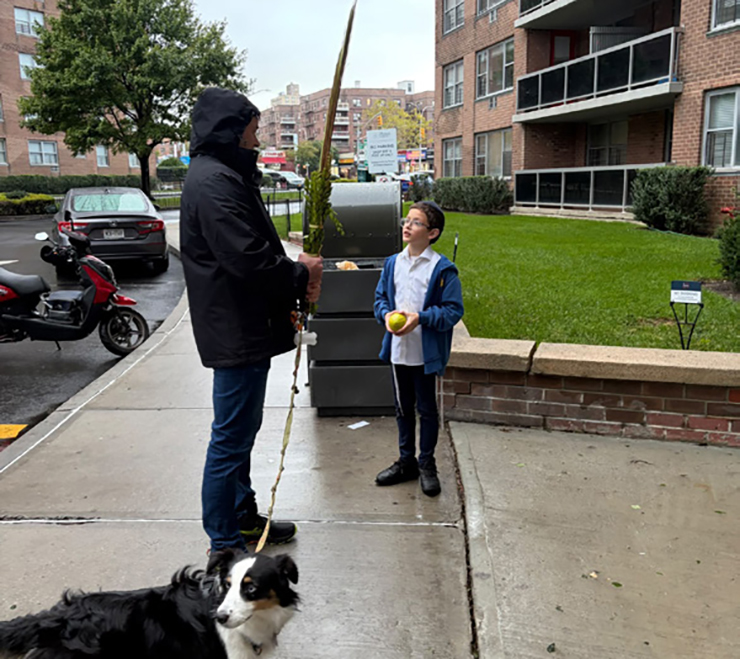
From busy street corners to neighborhood parks and apartment buildings, the sights and spirit of Sukkos came alive across Forest Hills on the first day of Chol HaMoed, as the Sukkah Mobile made its way through the community. Led by Rabbi Mendy Hecht of Chabad of Forest Hills North, the mobile sukkah stopped at the Forest Hills train station and CVS, P.S. 196, Forest Hills High School, Yellowstone Park, Parker Towers, private homes, and along the neighborhood’s bustling streets. At each stop, community members stepped inside the sukkah, recited a brachah, shook the lulav and esrog, and shared in the joy of Sukkos, bringing the warmth and spirit of Yom Tov to every corner of Forest Hills.
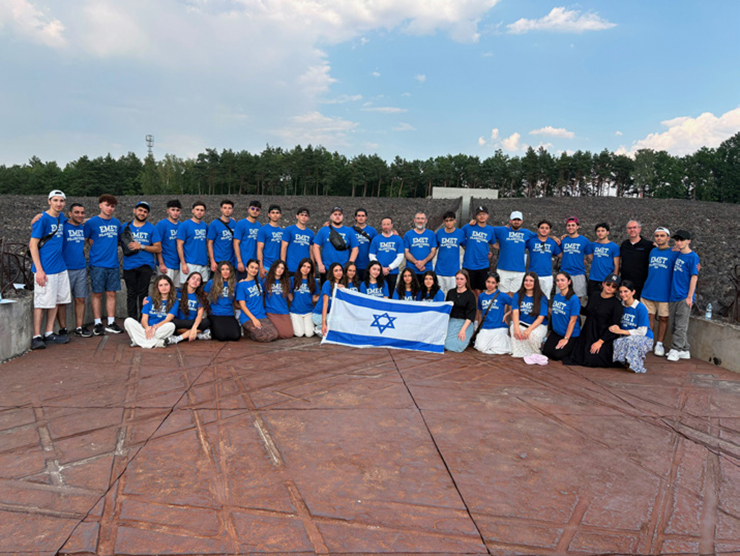
For 34 Emet students traveling through Poland and Vienna this summer, Jewish history was no longer something to study from a distance. They stood in places where vibrant Jewish communities once flourished, walked through sites of unimaginable loss, and heard stories of faith and resilience that made the past feel deeply personal.